
- Home/
- Buy Doxycycline Without Prescription in the United States Online
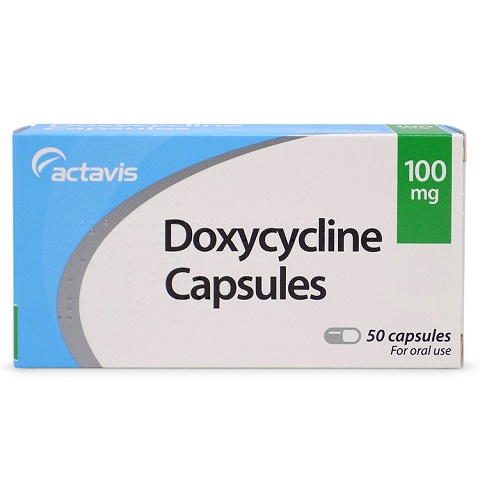
| Medication Name | Doxycycline |
|---|---|
| Main Ingredient | Doxycycline hyclate or monohydrate |
| Therapeutic Use | Treatment of bacterial infections (antibiotic) |
| Forms and Strengths | Capsules/tablets: 50mg, 75mg, 100mg |
| Onset Timeline | Noticeable improvement within 24-48 hours for most infections |
| Effective Duration | Remains active in the body for 12-24 hours per dose |
| Daily Usage Pattern | Typically taken once or twice daily as prescribed |
| Prescription Status (USA) | Requires a valid prescription |
| Estimated Price Range (USA) | $10–$45 for a standard 10-day course (generic) |
Doxycycline: Your Guide to Antibiotic Use in the United States
Doxycycline is a widely used antibiotic prescribed for a broad range of bacterial infections, including respiratory, skin, urinary, and certain sexually transmitted diseases. It is legally available in the United States with a prescription and is approved by the U.S. Food and Drug Administration (FDA). If your doctor has mentioned Doxycycline or you are considering it, understanding its uses, suitability, safety, and pricing can help you make an informed choice.
Why your infection is not a rare case—and why it can be treated
Feeling anxious or embarrassed about a possible infection is common, but you are far from alone. According to the Centers for Disease Control and Prevention (CDC), over 2.8 million antibiotic-resistant infections occur each year in the United States, and millions more cases are treated successfully with standard antibiotics like Doxycycline (CDC, 2022). Bacterial infections can affect anyone, regardless of age, background, or health habits. With appropriate therapy, most infections respond well. The key is starting the right treatment at the right time—something that is absolutely within your reach.
How Doxycycline works: Mechanism and what you will notice
Doxycycline is part of the tetracycline antibiotic family. It works by penetrating bacteria and blocking the formation of proteins they need to grow and multiply. In plain terms: Doxycycline stops the bacteria from functioning, so your immune system can clear the infection more easily. For most common infections—such as sinusitis, bronchitis, urinary tract infections, and acne—patients typically begin to notice improvement (like reduced fever, less pain, or fading skin lesions) within 1–2 days of starting treatment. Completing the full course ensures that bacteria are completely eradicated and reduces the chance of recurrence or resistance.
- Anti-inflammatory effect: Doxycycline also reduces inflammation, which is why it is sometimes used for skin conditions like rosacea.
- Broad spectrum: It is effective against a wide range of bacteria, including some that cause sexually transmitted infections and tick-borne diseases (like Lyme disease).
- No effect on viruses: It does not help with viral infections such as the common cold or flu.
Does Doxycycline fit your situation? A scenario-based table
| Your Situation | Is Doxycycline Right? | Why/Why Not |
|---|---|---|
| You have been diagnosed with a bacterial respiratory infection (e.g., pneumonia, bronchitis) and your doctor recommends it | Yes | Because Doxycycline is effective for respiratory tract infections not caused by resistant bacteria |
| You are being treated for acne or rosacea and have not responded to topical treatments | Yes | Doxycycline is often prescribed for moderate to severe acne and inflammatory skin conditions |
| You have a known allergy to tetracyclines or are pregnant | No | Doxycycline is contraindicated in these situations due to risk of allergic reactions and effects on fetal development |
| You are taking certain antacids or supplements (calcium, iron) daily | Possibly, with caution | Because these can interfere with absorption; timing adjustments or alternative antibiotics may be recommended |
| Your infection is suspected to be viral or fungal, not bacterial | No | Doxycycline is not effective against viruses or fungi; a different treatment is needed |
This table covers the most frequent scenarios, but individual factors—like kidney or liver disease, or concurrent medications—can affect suitability. Discuss these with your prescribing provider.
Real-life use: Taking Doxycycline in practice
Once prescribed, Doxycycline is usually taken once or twice daily with a full glass of water. It is best taken while sitting or standing to reduce the risk of stomach irritation or esophageal injury. Swallow the tablet or capsule whole; do not crush. Try to take it at the same time each day for consistency.
- With or without food? Doxycycline can be taken with food to reduce stomach upset, though dairy products and antacids can decrease absorption. Take these at least 2 hours apart from your dose.
- Missed dose? Take it as soon as you remember, unless it is nearly time for your next dose. Do not double up.
- If you vomit after taking: If vomiting occurs within 1 hour, take another dose; if later, continue as scheduled.
- No improvement after 2–3 days: Contact your healthcare provider. Some infections require different antibiotics or further investigation.
- Sun sensitivity: Doxycycline increases the risk of sunburn. Use sunscreen, wear protective clothing, and avoid tanning beds.
Completing the full prescribed course, even if your symptoms resolve early, is crucial to prevent recurrence and antibiotic resistance.
Who should not take Doxycycline: Understanding contraindications
- Pregnancy and breastfeeding: Doxycycline is not recommended during pregnancy or while nursing because it can affect fetal bone growth and tooth coloration in infants.
- Children under 8 years old: Not advised due to risk of permanent tooth discoloration and effects on bone growth.
- Known hypersensitivity: Those with allergies to Doxycycline or other tetracyclines should avoid it due to risk of severe allergic reactions.
- Severe liver failure: Not suitable since the medication is processed by the liver and may accumulate to harmful levels.
These contraindications are in place because Doxycycline can cause lasting or severe harm in these groups. If any of these apply to you, discuss alternative antibiotics with your doctor.
Possible side effects: What is common, rare, or requires urgent help
- Frequent and mild: Nausea, vomiting, diarrhea, mild skin rash, and increased sun sensitivity. These often resolve on their own.
- Occasional but manageable: Esophageal irritation (heartburn or pain), yeast infections (especially in women), headaches.
- Rare but serious: Severe allergic reactions (facial swelling, breathing difficulty, hives), intense headache with vision changes (possible intracranial hypertension), or persistent severe diarrhea (potential for C. difficile infection).
If you experience signs of a severe allergic reaction—such as swelling of the face or lips, difficulty breathing, or hives—immediately call 911 or seek emergency care in the United States. These can be life-threatening and require urgent treatment. For other side effects, report to your provider for assessment; do not stop the medication without guidance.
Drug and food interactions: What to avoid with Doxycycline
Doxycycline’s effectiveness and safety can change if taken with certain substances. Here’s what to watch for:
- Antacids, iron, calcium, magnesium: These bind to Doxycycline and reduce its absorption; separate doses by at least two hours.
- Oral contraceptives: Doxycycline may decrease the effectiveness of birth control pills; consider backup contraception.
- Blood thinners (warfarin): The antibiotic can enhance blood-thinning effect; doctors may need to adjust your dose and monitor closely.
- Alcohol: Excessive drinking can reduce antibiotic effectiveness and increase side effect risk.
Always provide your healthcare provider with a complete list of medications and supplements to avoid interactions and ensure safe, optimal treatment.
How does Doxycycline compare? Alternatives and honest limitations
| Medication | Good for… | Limitations | When preferred |
|---|---|---|---|
| Doxycycline | Respiratory, skin, urinary, some STDs, tick-borne diseases, acne | Not for pregnant women or children under 8; sun sensitivity; not effective for some resistant bacteria | Broad infections, when penicillin allergy is present, or resistance to other drugs is a concern |
| Amoxicillin | Ear, throat, and respiratory infections; dental infections | Not suitable for some resistant bacteria; potential for allergy | When bacteria are known to be sensitive and no allergy to penicillin |
| Clindamycin | Serious skin, bone, and dental infections | Risk of severe diarrhea (C. diff); not first-line for most infections | When Doxycycline and Amoxicillin are not suitable |
| Azithromycin | Lung, ear, and certain STDs | Some bacteria now resistant; may affect heart rhythm | Short courses, or specific infections where effective |
Doxycycline is effective for most, but not all, common infections. For severe infections, those in vulnerable groups (pregnant women, young children), or when rapid bacterial resistance is a concern, your provider may recommend another antibiotic. No single antibiotic is universally best—choice depends on bacteria, site of infection, and your health needs.
Purchasing Doxycycline in the United States: What you pay and what you get
In the United States, Doxycycline is available by prescription from licensed healthcare providers and dispensed at pharmacies. Prices vary depending on insurance coverage, pharmacy, and whether you use generic or brand-name versions. Many online telemedicine platforms also offer consultation and prescription services for common infections.
| Expense category | Estimated amount (USD) | Details |
|---|---|---|
| Doctor/telehealth consultation | $0–$75 | Insurance may cover in-person or online visits; some platforms offer low-cost consults |
| Prescription processing | $0–$25 | Some pharmacies and online services charge an additional fee |
| Doxycycline (generic, 10-day course) | $10–$45 | Varies by pharmacy, insurer, and dosage |
| Pharmacy/home delivery | $0–$15 | Many pharmacies offer free or low-cost standard shipping |
| Total (all costs included) | $10–$160 | Lowest: with insurance and in-store pickup; Highest: telemedicine consult + all fees + delivery |
Most people pay toward the lower end of this range, especially with insurance or patient assistance programs. If you are uninsured, ask about generic pricing or discount cards at your pharmacy. For online purchases, always use licensed U.S. pharmacies that require a prescription and are certified by the National Association of Boards of Pharmacy (NABP).
Final considerations: What else you might wonder
Can I get Doxycycline without a prescription in the United States? Legally, no. Doxycycline is classified as a prescription-only medication by the U.S. FDA. While some online sources claim to sell it without a prescription, this poses significant safety and legal risks—including the possibility of counterfeit or substandard products. Always obtain your antibiotics through legitimate, licensed channels.
If I have a mild allergy to penicillin, is Doxycycline safe? Yes, Doxycycline is not related to penicillin and does not cross-react. However, always inform your provider of all allergies before starting new medications.
How do I know it’s working? Most people notice symptom improvement within 48 hours. If you have no improvement or your symptoms worsen, follow up promptly with your healthcare provider for reassessment.
Is resistance to Doxycycline a concern? Antibiotic resistance is a growing challenge worldwide. Completing your prescribed course and not sharing antibiotics helps reduce this risk. If your infection does not respond, your provider may order further testing or change your antibiotic.
For any uncertain situations, such as persistent symptoms, new severe side effects, or questions about interactions, consult your healthcare provider directly. While this guide covers the most critical points for decision-making, personalized advice remains essential for safe and effective treatment.
