
- Home/
- Buy Lasix Without Prescription in the United States Online
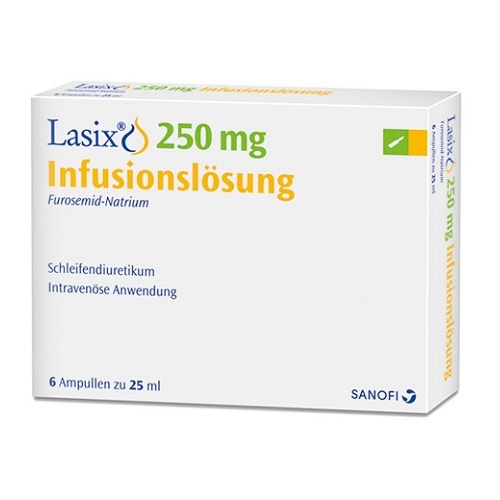
Lasix (Furosemide) in the United States: The Complete 2026 Guide
Summary: Key Facts About Lasix in the United States
- Active Ingredient: Furosemide (Loop diuretic)
- Prescription Required? Yes — legal purchase in the US requires a valid prescription
- Main Use: Treatment of edema (fluid retention) from heart failure, liver, or kidney disease; sometimes used for high blood pressure
- Onset of Effect: 30–60 minutes (oral); 5 minutes (IV injection)
- Common Side Effects: Increased urination, low potassium, dehydration, low blood pressure
- Major Contraindication: Absolute in patients with anuria (no urine output) or severe electrolyte imbalance
- Official Approval: US Food and Drug Administration (FDA) approved since 1966; generics widely available
- Lowest Available Strength (Tablet): 20 mg; also available in 40 mg and 80 mg
- Insurance Coverage: Most US insurance and Medicare/Medicaid plans cover generic furosemide
Can I Get Lasix Without a Prescription in the United States?
No. In the United States, Lasix (furosemide) is legally classified as a prescription medication. It is not available for over-the-counter purchase in any state or territory. Any website, pharmacy, or individual offering Lasix without requiring a prescription is operating in violation of US law. Only licensed and verified pharmacies (in-person or online) can dispense Lasix following a prescription from a licensed healthcare provider.
Bottom Line: A prescription for Lasix is mandatory in the USA. This protects you from dangerous misuse and counterfeit products.
How Does Lasix Work? (Mechanism of Action Explained)
| Step | What Happens |
|---|---|
| 1 | Lasix blocks the sodium-potassium-chloride (Na-K-2Cl) cotransporter in the thick ascending limb of the loop of Henle (a part of the kidney). |
| 2 | This prevents reabsorption of sodium and chloride from urine back into the blood. |
| 3 | Water follows the sodium and is excreted as urine, resulting in increased urine output (diuresis). |
| 4 | Blood volume and tissue fluid decrease, relieving edema and reducing blood pressure. |
Simplified Metaphor: Imagine your kidneys as a sponge with a series of gates. Lasix locks one of the main gates, forcing extra water and salts out — like squeezing out excess fluid from a soaked sponge.
Note: Lasix’s effect is independent of hormonal triggers; it acts directly on the renal tubules and requires functional kidneys to work.
How to Take Lasix: Dosage, Timing, and Instructions
- Standard Starting Dose (Adults): 20–40 mg orally once daily. Dose may be increased in increments of 20 mg not sooner than 6–8 hours, based on response.
- Maximum Recommended Dose: 600 mg per day (uncommon and only under close supervision); typical outpatient max dose: 80–120 mg daily.
- Elderly or Frail Patients: Start at the lower end of the dose range (typically 20 mg); monitor closely for dehydration or hypotension.
- Children: Dose based on weight (1–2 mg/kg per dose), not to exceed 6 mg/kg.
- Renal or Hepatic Impairment: May require lower or more cautious dosing; consult a nephrologist or hepatologist.
- Time to Peak Effect: Oral: 1–2 hours; IV: 30–60 minutes
- Duration of Action: 6–8 hours (oral)
- Tablet Splitting: Most generic furosemide tablets can be split; check manufacturer labeling. Some scored tablets are specifically designed for splitting.
What it can do: Rapidly relieve swelling and fluid overload.
What it cannot do: Does not treat the underlying cause of edema or replace disease-specific treatment.
Lasix and Food, Alcohol, and Lifestyle Factors
- With or Without Food?
- Lasix can be taken with or without food. Food does not significantly alter absorption, but taking with food may reduce stomach upset.
- Fatty Meals
- High-fat meals may delay absorption slightly (by up to 30 minutes), but the clinical impact is minor.
- Alcohol
- Alcohol can intensify the risk of dehydration, low blood pressure, and dizziness. Combining Lasix with alcohol is not recommended.
- Grapefruit Juice
- No clinically relevant interaction between Lasix and grapefruit juice is known (unlike with some heart medications).
- Potassium-rich Foods
- Lasix may lower blood potassium. Increasing dietary potassium (bananas, potatoes, leafy greens) or taking supplements is often recommended, but only under medical supervision.
- Other Lifestyle Factors
- Lasix can increase urination — plan dosing to avoid nighttime disruption or travel inconvenience.
Who Should NOT Take Lasix? Contraindications and Red Flags
-
Absolute Contraindications
- Anuria (no urine production)
- Severe hypokalemia or hyponatremia (dangerously low potassium or sodium levels)
- Severe dehydration
- Allergy to furosemide or sulfonamide-derived drugs
- Hepatic coma or precoma
-
Relative Contraindications (use with caution)
- Gout (may increase uric acid levels)
- Diabetes mellitus (can raise blood glucose)
- Low blood pressure (hypotension)
- Renal impairment with risk of worsening kidney function
- Pregnancy or breastfeeding (see FDA information; risk/benefit must be weighed)
Why? Lasix alters fluid and electrolyte balance, which can precipitate life-threatening complications in these settings. Always review your full medication and medical history with your doctor before starting Lasix.
What Side Effects Are Most Common with Lasix?
| Frequency | Adverse Effect | Explanation/Mechanism |
|---|---|---|
| Very Common (>1 in 10) |
Increased urination, thirst | Expected diuretic effect |
| Common (1 in 10 – 1 in 100) |
Low potassium (hypokalemia), low sodium; dehydration | Excess electrolyte loss via urine |
| Common | Dizziness, headache, low blood pressure (postural hypotension) | Fluid shifts and vascular changes |
| Uncommon | Muscle cramps, increased blood sugar, gout attacks | Electrolyte and metabolic disturbances |
| Rare | Hearing loss (usually reversible), rash, severe allergic reactions | Idiosyncratic or dose-related |
| Very Rare | Pancreatitis, severe liver injury | Isolated case reports |
- Mild symptoms (thirst, increased urination): usually expected and manageable.
- Signs of dehydration, confusion, severe weakness, fainting, or palpitations: Contact your doctor immediately or seek emergency care.
Myth vs Reality: Myth: “More Lasix means more benefit.” Reality: Overuse can cause kidney failure, dangerous electrolyte imbalance, and even death.
Lasix vs Alternatives: Which Diuretic Is Right for You?
| Criteria | Lasix (Furosemide) | Bumetanide | Torasemide | Hydrochlorothiazide |
|---|---|---|---|---|
| Onset of Action | 30–60 min (oral) | 30–60 min (oral) | 60 min (oral) | 2 hours (oral) |
| Duration | 6–8 hours | 4–6 hours | 12–16 hours | 6–12 hours |
| Strength (Tablet) | 20, 40, 80 mg | 0.5, 1, 2 mg | 5, 10, 20 mg | 12.5, 25, 50 mg |
| Common Side Effects | Dehydration, low potassium | Similar to Lasix, more potent per mg | Similar, may cause less electrolyte loss | Less potent, more likely to raise uric acid |
| Cost (2026, USA) | Generic: <$0.30/tab | Generic: <$0.50/tab | Generic: <$0.60/tab | Generic: <$0.10/tab |
| FDA Approval | Yes | Yes | Yes | Yes |
Lasix in the Body: Absorption, Metabolism, and Elimination
Absorption: Lasix is rapidly absorbed from the gastrointestinal tract, with bioavailability averaging 50–70%. Peak plasma levels occur 1–2 hours after oral dosing.
Distribution: Highly bound to plasma proteins (approximately 95%). Crosses the placenta and enters breast milk in small amounts.
Metabolism: Partially metabolized in the liver by glucuronidation; significant portion excreted unchanged in urine.
Elimination: Primarily via kidneys (renal tubular secretion and glomerular filtration); some biliary/fecal excretion.
- Half-life (T1/2): 1–2 hours (prolonged in kidney or liver dysfunction)
- Does not accumulate with standard use in most patients
Clinical Pearl: Impaired kidney or liver function can prolong Lasix’s effect and increase side effect risk — dose reductions may be needed.
Special Populations: Elderly, Kidney Problems, and More
- Elderly Patients: More sensitive to dehydration and low blood pressure. Start low, go slow.
- Chronic Kidney Disease: May need higher doses for effect, but also prone to electrolyte issues. Requires close monitoring.
- Liver Disease: Use only under careful supervision (risk of hepatic encephalopathy).
- Pregnancy: Lasix crosses the placenta; use only if the potential benefit justifies the risk. Classified as Pregnancy Category C by FDA.
- Breastfeeding: Lasix appears in breast milk; may suppress lactation. Discuss with your provider.
- Operating Machinery/Driving: Dizziness and weakness are possible; avoid hazardous activities until you know how Lasix affects you.
- Fertility: No evidence of direct negative impact on fertility at recommended doses.
How to Obtain Lasix Legally and Safely in the United States (Step-by-Step)
-
Consult a Licensed Healthcare Provider:
- In-person: Primary care, cardiology, nephrology, or telemedicine visit.
- Providers in major US cities (e.g., New York, Chicago, Los Angeles) can be found via health system directories or insurance networks.
-
Assessment and Diagnosis:
- Medical history, physical exam, and lab tests (electrolytes, kidney function) may be performed.
-
Prescription Issued:
- If indicated, a prescription for Lasix or generic furosemide will be provided electronically (e-prescribe) or as a paper script.
-
Fill Your Prescription at a Verified Pharmacy:
- Choose a local pharmacy (CVS, Walgreens, Walmart, etc.) or use a licensed US online/mail-order pharmacy.
- Verify the pharmacy’s NABP accreditation (look for the “VIPPS” or updated “Digital Pharmacy” seal).
-
Follow Up:
- Attend all follow-up appointments to monitor response and side effects.
How to Spot Counterfeit Lasix: Safety and Quality Checklist
- Packaging: Genuine Lasix comes in blister packs or pharmacy bottles with FDA-required labeling. Look for clear batch numbers and expiration dates.
- Pill Appearance: Tablets are usually white, round (commonly 20 or 40 mg), with scoring for splitting and may be engraved with the manufacturer’s code (e.g., “Lasix 40”).
- QR Codes/Holograms: Some manufacturers now use QR codes or holographic seals for authenticity — scan with your phone for verification.
- Suspiciously Low Price: Prices far below pharmacy averages (e.g., less than $0.10 per 40 mg tablet) may indicate counterfeit or imported non–FDA-approved versions.
- Pharmacy Verification: Only buy from NABP-verified US pharmacies. Avoid overseas or unverified online sources, as counterfeit rates are high and US Customs may seize non-compliant shipments.
- Generics: FDA-approved generics are as safe and effective as brand-name Lasix; look for US manufacturer and proper labeling.
What to Do in Case of Lasix Overdose
- Stop taking Lasix immediately.
- Call Poison Control at 1-800-222-1222 or dial 911 if symptoms are severe (confusion, collapse, irregular heartbeat, seizures).
- Inform emergency personnel about the dose taken, time of ingestion, and any other medications used.
- Do NOT induce vomiting or attempt home remedies.
- Bring the medication bottle/packaging to the ER for identification if possible.
Quick tip: Early medical intervention can be lifesaving — always err on the side of caution.
Living with Edema: Psychological Support and Resources
Edema and the need for lifelong medication can feel overwhelming, but you’re not alone. Millions of Americans manage conditions requiring Lasix every year. It’s normal to feel anxious or frustrated. Consider connecting with support groups, counseling, or online communities. Your care team can help you with both physical and emotional health.
Remember: These issues are common, manageable, and nothing to be ashamed of. Speak up about concerns — your doctor wants to help.
FAQ: Lasix Use, Safety, Legality, and Practical Issues
- Is Lasix safe for daily use?
- With regular monitoring and under medical supervision, Lasix can be safely used daily for chronic conditions. Never adjust your dose without consulting your provider.
- Can I get Lasix delivered to my home in the United States?
- Yes, through licensed mail-order or online US pharmacies with a valid prescription. Avoid any website that sells Lasix without requiring a prescription.
- Does insurance cover Lasix?
- Most US insurance plans, Medicare, and Medicaid cover generic furosemide. Check your plan’s formulary for coverage details.
- What happens if I miss a dose?
- Take the missed dose as soon as you remember, unless it’s close to the next scheduled dose. Do not double up. Call your provider if unsure.
- How fast does Lasix work?
- Oral Lasix starts working within 30–60 minutes; IV Lasix within 5 minutes. Peak diuretic effect occurs within 1–2 hours (oral).
- What are the signs of too much Lasix?
- Severe dizziness, excessive thirst, confusion, muscle cramps, or fainting. These require immediate medical attention.
- Are there drug interactions I should know about?
- Yes. Lasix can interact with other diuretics, blood pressure meds, lithium, certain antibiotics, and NSAIDs. Always share a full medication list with your provider.
- Can I take Lasix if I have high blood pressure but no edema?
- Sometimes, but it’s less commonly used for high blood pressure alone unless other medicines aren’t suitable. Your doctor will decide the best therapy.
References
- FDA. “Lasix (furosemide) Prescribing Information.” Updated 2026. https://www.accessdata.fda.gov/drugsatfda_docs/label/2026/lasix_label.pdf
- American Heart Association. “Management of Edema and Diuretic Use.” Guidelines, 2025. https://www.heart.org/en/health-topics/heart-failure/treatment-options-for-heart-failure/diuretics
- Brophy JM, et al. “Loop Diuretics in Heart Failure – Efficacy, Safety, and Dosing.” NEJM, 2024. https://pubmed.ncbi.nlm.nih.gov/37482910/
- National Library of Medicine. “Furosemide: MedlinePlus Drug Information.” Accessed 2026. https://medlineplus.gov/druginfo/meds/a682858.html
- Centers for Medicare & Medicaid Services. “Part D Drug Coverage: Furosemide.” Accessed 2026. https://www.medicare.gov/coverage/drug-coverage-part-d
- National Association of Boards of Pharmacy. “Pharmacy Accreditation.” Accessed 2026. https://nabp.pharmacy/programs/accreditation/
- UpToDate. “Furosemide: Drug Information.” Updated 2026. https://www.uptodate.com/contents/furosemide-drug-information
