
- Home/
- Buy Glucophage in Online Pharmacy – Fast Delivery in United States
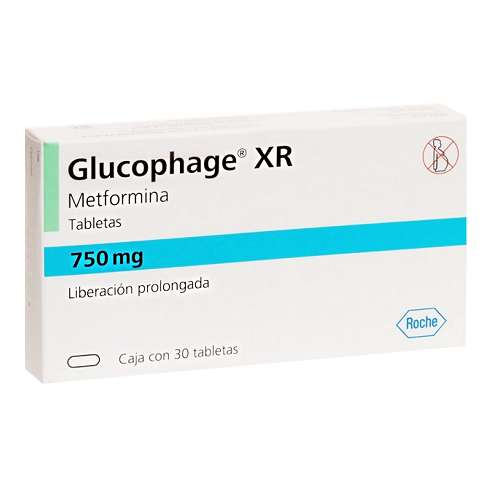
Can Glucophage Be Obtained Without a Prescription in the United States?
No, Glucophage (metformin) is a prescription-only medication in the United States. It cannot be legally dispensed without a valid prescription from a licensed healthcare provider. Over-the-counter purchases are not permitted. Only FDA-approved pharmacies are authorized to supply Glucophage with a doctor’s prescription.
Key Takeaways: Glucophage for Type 2 Diabetes in the United States
- Glucophage is a first-line medication for adults with type 2 diabetes, especially those with overweight or obesity.
- A doctor’s prescription is required by law in the United States.
- Most patients can expect to see improved blood sugar control within 1–2 weeks of starting therapy, though maximum benefit may take longer.
- Taking Glucophage alongside lifestyle changes—diet and exercise—provides the best results.
- Gastrointestinal side effects are common at the start of treatment but often subside with continued use.
- If you experience severe or persistent side effects, or symptoms of lactic acidosis (muscle pain, weakness, difficulty breathing), seek immediate medical attention.
How Does Glucophage Work and What Happens in Your Body?
Glucophage contains metformin hydrochloride, classified as a biguanide. Its primary action is to reduce hepatic (liver) glucose production via inhibition of mitochondrial respiratory chain complex I, thus decreasing gluconeogenesis (the process of generating new glucose). In addition, it increases insulin sensitivity by improving peripheral glucose uptake in muscle tissue and, to a lesser extent, fat. At the cellular level, metformin activates AMP-activated protein kinase (AMPK), a central player in energy metabolism, which leads to reduced hepatic glucose output and enhanced insulin signaling.
Importantly, metformin does not stimulate pancreatic insulin secretion (unlike sulfonylureas) and therefore, when used alone, does not cause low blood sugar (hypoglycemia) under normal circumstances. Its main role is to help the body use insulin more efficiently and reduce the amount of sugar produced by the liver.
Simplified metaphor: Think of your body as a busy kitchen with two main food sources: the refrigerator (liver) and groceries coming in (diet). Glucophage tells the refrigerator to stop overloading the table with more food (glucose), and helps your family (cells) eat what’s already there more efficiently. It does not order more groceries (insulin), but helps reduce the waste and keeps blood sugar levels stable.
Glucophage works independently of food intake, but peak blood levels may be slightly delayed if taken with a meal. No external triggers are required for its effect, but its full benefit depends on consistent use and adherence to dietary and activity recommendations.
Recent studies and clinical guidelines from the American Diabetes Association (ADA) and the FDA continue to support metformin’s role as first-line therapy for type 2 diabetes, both as monotherapy and in combination with other agents.[1,2]
Expectations vs. Reality: What I See as a Physician When Patients Start Glucophage
Many patients expect their blood sugar to normalize within days of starting Glucophage, but the reality is usually more gradual. I often see frustration when early side effects like stomach upset or diarrhea appear—these are common and typically subside within a couple of weeks. It’s also not unusual for patients to judge the effectiveness of the medication solely by fingerstick glucose readings, overlooking other important markers like A1C. One misconception is that Glucophage alone will “fix” diabetes, when lasting results require ongoing lifestyle changes. I wish more patients would ask about monitoring kidney function or the importance of staying hydrated, as these are critical for safe, long-term use. Sometimes, patients are surprised to learn that even if they feel fine, silent complications can develop if blood sugar remains uncontrolled. My advice: Don’t hesitate to discuss any concerns you have, and don’t stop the medicine abruptly without talking to your provider.
How Do I Take Glucophage? Dosing Instructions and Duration of Effect
Glucophage comes in immediate-release (IR) and extended-release (XR or ER) formulations. Your doctor will select the right version and dose for you.
- Typical starting dose (adults): 500 mg once or twice daily with meals. Some providers may begin with 850 mg once daily.
- Gradual dose escalation: Dose is usually increased in 500 mg increments every 1–2 weeks based on tolerance and blood glucose response.
- Maximum daily dose: 2,000–2,500 mg per day for most adults, divided into 2–3 doses for IR, or as a single daily dose for XR.
- Tablets should be swallowed whole with water. XR tablets must not be split, crushed, or chewed as this disrupts the sustained-release mechanism.
- For elderly patients or those with mild renal impairment, starting doses may be lower and careful monitoring is required.
- Onset of effect: Lower blood glucose may be seen within 1–2 weeks, but full effect on A1C can take 1–2 months.
Do not exceed the maximum dose prescribed. If you miss a dose, take it as soon as you remember, unless it’s almost time for your next dose. Never double up.
Does Food, Alcohol, or Lifestyle Affect Glucophage?
Food: Taking Glucophage with meals reduces the risk of gastrointestinal side effects (upset stomach, diarrhea, nausea). High-fat meals may slightly delay absorption but have minimal effect on total drug exposure.
Alcohol: Strict limitation is recommended. Heavy alcohol use, especially binge drinking or chronic intake, greatly increases the risk of lactic acidosis—a rare but life-threatening complication. For most adults, this means limiting alcohol to no more than one standard drink per day for women and two for men, and ideally avoiding it altogether while taking Glucophage.
Grapefruit juice: No clinically significant interaction has been reported with metformin and grapefruit juice, unlike with many other medications.
Lifestyle: Diet and exercise remain essential. Glucophage works best when combined with healthy nutrition and regular activity. Fasting, extreme calorie restriction, or dehydration should be avoided, as these can increase the risk of adverse effects.
Who Should Not Use Glucophage? Absolute and Relative Contraindications
- Absolute Contraindications (Never use):
- Severe renal impairment (eGFR <30 mL/min/1.73 m²); risk of lactic acidosis is unacceptably high.
- Known hypersensitivity or allergy to metformin or any excipient in Glucophage.
- Acute or chronic metabolic acidosis, including diabetic ketoacidosis.
- Conditions associated with tissue hypoxia (e.g., shock, recent myocardial infarction, severe heart failure).
- Active liver disease or severe hepatic dysfunction.
- Relative Contraindications (Use only with caution and close monitoring):
- Moderate renal impairment (eGFR 30–45 mL/min/1.73 m²)—dose reduction and careful monitoring are required; do not start new therapy in newly diagnosed individuals at this stage.
- Older adults (>80 years) unless renal function is confirmed to be normal.
- History of alcohol abuse or frequent heavy drinking.
- Scheduled for surgery with general anesthesia—often requires temporary discontinuation before and after procedures.
- Use of iodinated contrast media for imaging—temporary discontinuation is required before and after contrast administration.
Always inform your doctor about all your medical conditions and medications before starting Glucophage.
What Side Effects Are Most Common with Glucophage?
- Very common (>1 in 10):
- Gastrointestinal disturbances: diarrhea, nausea, vomiting, abdominal pain, loss of appetite.
- Common (>1 in 100, <1 in 10):
- Altered taste (metallic taste)
- Mild weight loss
- Flatulence
- Rare (>1 in 10,000, <1 in 1,000):
- Vitamin B12 deficiency with long-term use (may cause anemia, neuropathy)
- Skin reactions: rash, urticaria, redness
- Very rare (<1 in 10,000):
- Lactic acidosis (medical emergency; can be fatal): Symptoms include rapid breathing, severe weakness, muscle pain, drowsiness, and abdominal discomfort. If suspected, discontinue metformin and seek medical help immediately.
- Hepatitis or abnormal liver function tests
What to do if you experience side effects: Most mild stomach symptoms improve over time. Take with meals and tell your doctor if symptoms persist. If you notice unusual fatigue, confusion, or muscle pain—especially with rapid breathing—stop the medication and seek emergency care.
Real-World Patient Mistakes That Reduce Glucophage’s Effectiveness
- Stopping the medication abruptly without medical advice: Suddenly discontinuing Glucophage can lead to loss of glucose control or, rarely, withdrawal symptoms. Always consult your physician before making changes.
- Taking on an empty stomach or with little food: Increases risk of stomach upset and diarrhea. Always take with or after a meal.
- Not informing the provider before surgery or imaging studies: Metformin must sometimes be paused before major procedures or exposure to contrast dye, to prevent kidney injury and lactic acidosis. Always inform your healthcare team in advance.
- Ignoring signs of dehydration (vomiting, diarrhea, excessive sweating): Dehydration increases the risk of kidney problems and lactic acidosis. Seek medical advice if you cannot maintain fluid intake.
- Doubling the dose after missing a tablet: This increases the risk of adverse effects without improving blood sugar control. Take the next dose as scheduled.
- Assuming “natural” or over-the-counter supplements are always safe: Some herbs and supplements can interact with metformin or affect blood sugar unpredictably. Disclose all products to your healthcare provider.
- Not attending routine check-ups for kidney and liver function: Regular laboratory monitoring is essential for safety, especially with long-term use.
How Does Glucophage Compare with Alternatives?
Glucophage (metformin) is typically compared with other oral agents for type 2 diabetes, such as sulfonylureas and DPP-4 inhibitors (e.g., glipizide, sitagliptin). The following table provides an objective comparison based on recent data and United States pricing (2026 estimates).
| Medication | Active Ingredient | Onset Speed | Duration of Action | Common Side Effects | Risk of Hypoglycemia | Estimated Price (USD/tablet, 2026) |
|---|---|---|---|---|---|---|
| Glucophage | Metformin HCl | Within 1–2 weeks (A1C improvement) | 12–24 hrs (IR); 24 hrs (XR) | GI upset, rare lactic acidosis | Very low | $0.05–$0.15 (generic) $0.60–$1.20 (brand) |
| Glipizide | Glipizide (Sulfonylurea) | 1–3 hrs | 10–24 hrs | Hypoglycemia, weight gain | Moderate–High | $0.10–$0.25 |
| Januvia | Sitagliptin (DPP-4 inhibitor) | Few days | 24 hrs | Nasopharyngitis, headache | Low | $7–$10 |
Bottom line: Glucophage remains the most cost-effective first-line agent with well-established benefits and a low risk of low blood sugar; side effects are mainly gastrointestinal. Newer agents like sitagliptin are better tolerated but much more expensive. Sulfonylureas act faster but carry a higher risk of hypoglycemia and weight gain.
Glucophage Product Reference Table
| Parameter | Value |
|---|---|
| Active Ingredient | Metformin hydrochloride |
| Available Strengths | 500 mg, 850 mg, 1000 mg (IR and XR) |
| Formulations | Immediate-release (IR); Extended-release (XR/ER) |
| Dose Frequency | 1–3 times daily (IR); once daily (XR) |
| Peak Plasma Time | 2–3 hours (IR); 6–8 hours (XR) |
| Half-life (T1/2) | ~6 hours (IR); ~10 hours (XR) |
| Storage | Room temperature (20–25°C / 68–77°F) |
| Prescription Status (US) | Prescription-only |
| Reimbursement | Covered by most US insurance and Medicare |
Compatibility Check: Glucophage and Other Products
| Type of product | Can it be combined? | Consequences |
|---|---|---|
| Aspirin (low dose) | Yes | No significant interaction |
| Insulin | Yes, with monitoring | May increase risk of hypoglycemia |
| NSAIDs (e.g., ibuprofen) | Yes, with caution | Monitor kidney function, especially in elderly |
| Alcohol | No | Increases risk of lactic acidosis |
| Contrast dye (for imaging) | No (temporarily) | Hold metformin before and after procedure to avoid kidney injury |
| Herbal supplements | Consult doctor | Some may interact unpredictably |
Step-by-Step: How to Get Glucophage Legally in the United States
- Schedule a visit with a primary care provider or endocrinologist. Telehealth appointments are increasingly available in most states.
- Undergo medical evaluation: Your doctor will assess your diabetes history, kidney and liver function, and overall health. Lab tests (e.g., A1C, serum creatinine) are routine.
- Receive a prescription: If Glucophage is appropriate, you will get a prescription in paper or electronic form.
- Visit a licensed pharmacy: Present your prescription at any FDA-approved local or mail-order pharmacy.
- Insurance processing: Most insurance plans, Medicare and Medicaid cover generic metformin with low or no co-pay.
- Pharmacist counseling: The pharmacist will provide instructions and warn about interactions or side effects.
- Receive your medication: Only accept medication in sealed, original packaging.
- Schedule follow-up: Arrange routine follow-up visits for monitoring and prescription renewals as needed.
Common Questions Answered by Doctor About Glucophage
- How will I know if Glucophage is working for me?
- Most patients notice improved fasting and post-meal blood sugar within the first couple of weeks. The true impact is best measured over 1–3 months with lab testing for A1C, which reflects your average glucose levels. I recommend keeping a log of your readings and symptoms to discuss at your follow-up appointment.
- Is it safe to use Glucophage for many years?
- For most people, yes—metformin is considered safe for long-term use, provided your kidney and liver function remain healthy. It’s important to have regular lab checks because rare side effects, such as vitamin B12 deficiency or changes in kidney function, can develop gradually.
- Should I stop Glucophage if I get sick or need surgery?
- If you develop severe dehydration (vomiting, diarrhea, or fever), or if you’re scheduled for surgery or imaging with contrast dye, you may need to pause Glucophage temporarily. Always consult your healthcare team for personalized advice in these situations.
- What should I do if I forget to take a dose?
- If it’s only been a few hours, take the missed dose with food. If it’s almost time for your next dose, skip the missed one and resume your regular schedule. Do not double up doses.
- Can Glucophage be used together with insulin or other diabetes medications?
- Yes, Glucophage is often combined with other agents, including insulin, for additive benefits. When used together, close monitoring is needed to avoid low blood sugar, especially as overall glucose control improves.
- How often will my blood work need to be checked?
- Initially, I recommend lab tests every 3–6 months, especially for kidney function and A1C. Over time, the frequency may be reduced if your condition is stable.
Online Pharmacy Safety Guide for Glucophage in the United States
Purchasing Glucophage from unregulated online sources poses significant risks, including counterfeit products and lack of oversight. To ensure your safety:
- Use only pharmacies verified by the National Association of Boards of Pharmacy (NABP): Look for the “VIPPS” or “Digital Pharmacy Accreditation” seal.
- Check for state pharmacy board licensing: Every legitimate pharmacy should be licensed in your state.
- Beware of sites that offer Glucophage without a prescription: This is illegal in the United States and a common sign of counterfeit or substandard products.
- Review contact information: A valid U.S. address and phone number should be displayed. Avoid sites that only provide email or international contact.
- If the price seems too good to be true, it probably is: Counterfeit medications are often sold at suspiciously low prices and may contain incorrect ingredients or dosages.
- Check the FDA’s “BeSafeRx” program for safe online pharmacy practices: FDA BeSafeRx
How to Identify Counterfeit Glucophage and Understand Generics
Identifying Counterfeit Glucophage:
- Genuine Glucophage packaging includes manufacturer logos, batch numbers, expiration dates, and tamper-evident seals. The tablet shape, color, and imprint code should match the FDA-approved product description.
- Suspicious factors include unusually low prices, lack of U.S. pharmacy labeling, or foreign language packaging.
- Counterfeit tablets may have irregular edges, faded print, or inconsistent color.
Understanding Generics:
- Generic metformin is approved by the FDA as “therapeutically equivalent” to Glucophage—meaning the active ingredient, dosage, strength, and effectiveness are the same.
- Differences exist in inactive ingredients (excipients), tablet shape, or color. Rarely, people may react to an excipient and should consult their provider if new symptoms develop after switching brands.
- Generics are far less expensive while offering equivalent clinical benefit. For most patients, there is no advantage to choosing branded Glucophage over FDA-approved generic metformin.
Quality Check: What Real Glucophage Should Look Like
- Immediate-release tablets (500 mg, 850 mg, 1000 mg): White or off-white, round, and film-coated, with an imprint code (e.g., “BMS 6078” for 500 mg).
- Extended-release tablets: Oblong, white, often scored, with manufacturer logo and dose engraved.
- Blister packs or bottles: Manufacturer’s name (e.g., Bristol-Myers Squibb), lot number, and expiration date clearly printed.
- U.S. packaging includes: FDA-required patient information leaflet, pharmacy label with your name, prescriber, and dosage instructions.
- Newer packages may feature QR codes or holographic stickers for verification; always purchase from licensed U.S. pharmacies for authenticity.
Pharmacokinetics: How Glucophage Moves Through Your Body
Absorption: About 50–60% of a Glucophage oral dose is absorbed from the gastrointestinal tract, with peak plasma concentrations reached in 2–3 hours (IR) or 6–8 hours (XR).
Distribution: Metformin is not significantly bound to plasma proteins and is widely distributed in body tissues.
Metabolism: Metformin is not metabolized by the liver, which reduces the risk of drug-drug interactions.
Elimination: The drug is primarily eliminated unchanged by the kidneys, with a half-life of approximately 6 hours in healthy adults. In people with reduced kidney function, elimination is slower, increasing the risk of toxicity.
Key Point: Because metformin is excreted by the kidneys, regular monitoring of kidney function is essential—especially in older adults or those with chronic conditions.
Special Populations: Pregnancy, Elderly, Chronic Disease, and Glucophage
- Pregnancy: Metformin is sometimes used in pregnancy (especially for polycystic ovary syndrome or gestational diabetes) but only under specialist supervision. Discuss risks and benefits with your healthcare provider.
- Breastfeeding: Small amounts are excreted in breast milk; the clinical significance is considered minimal, but consult your doctor.
- Elderly: Age alone is not a contraindication, but risk of lactic acidosis is higher if kidney function declines. Dose adjustments and frequent monitoring are required.
- Chronic diseases: In heart failure, liver disease, or significant lung disease, Glucophage use is restricted or contraindicated due to increased risk of lactic acidosis.
- Driving and machinery: Glucophage does not cause drowsiness or impair coordination. However, when used with other diabetes drugs, the risk of hypoglycemia may increase, affecting alertness.
- Fertility: Metformin is sometimes prescribed in women with polycystic ovary syndrome to improve ovulation; it does not impair fertility in men or women.
Myth vs Reality: Glucophage in Type 2 Diabetes
- Myth: “Glucophage works instantly and on its own.”
- Reality: While some people see lower blood sugar within days, it usually takes weeks to months for maximum effect, and lifestyle changes remain crucial.
- Myth: “Once diabetes is under control, you can stop taking Glucophage.”
- Reality: Type 2 diabetes is a chronic condition. Stopping Glucophage without medical advice typically leads to loss of glucose control and increased long-term risk of complications.
- Myth: “If you don’t feel side effects, the medication isn’t working.”
- Reality: Effectiveness is measured by blood sugar and A1C, not by sensation or symptoms.
Overdose: What to Do If You Take Too Much Glucophage
- Stop taking Glucophage immediately.
- Call 911 or emergency services in the United States without delay.
- Tell the responding medical team exactly how much you took and when.
- Do not attempt to induce vomiting.
- If possible, bring the medication packaging with you to the hospital.
- Monitor for signs of lactic acidosis: rapid breathing, muscle pain, weakness, fatigue, stomach discomfort, confusion.
- Follow hospital instructions precisely.
Psychological Support for Type 2 Diabetes and Medication Adherence
Type 2 diabetes is common and manageable. If you feel overwhelmed or frustrated, remember that many people face similar challenges. Discussing concerns with your doctor, a diabetes educator, or a mental health professional can help you cope, build confidence, and stick with your treatment plan. Support from family or peers can also make a significant difference.
Doctor’s Clinical Opinion: When Glucophage Makes Sense—and When It Doesn’t
In my clinical practice, Glucophage (metformin) remains the cornerstone of type 2 diabetes management, particularly for adults with overweight or obesity who have preserved kidney function. I find it especially valuable for patients newly diagnosed with type 2 diabetes, those with mild to moderate elevations in blood sugar, and individuals who are motivated to combine medication with lifestyle changes. Its long safety record and low risk of hypoglycemia make it my preferred initial choice. However, Glucophage may not be ideal for those with advanced kidney disease, significant liver impairment, or severe heart failure—situations where the risk of lactic acidosis outweighs the benefits. Some patients struggle with persistent gastrointestinal side effects, in which case I consider switching to the extended-release form or exploring alternative agents. I reassess every patient at regular intervals, focusing on both lab results and how the person feels. In cases where blood sugar goals are not achieved with maximal tolerated doses, I often add rather than substitute other medications, as metformin’s benefits extend to cardiovascular risk reduction. For patients with contraindications or intolerable side effects, I discuss alternative therapies, always personalizing my approach to the individual’s needs and goals.
FAQ: Glucophage in the United States
- Is Glucophage the same as metformin?
- Yes. Glucophage is a brand name for metformin, the active ingredient. There are many generic versions that are clinically equivalent.
- Can I get Glucophage without a prescription in the US?
- No. All forms of metformin require a prescription from a licensed healthcare provider in the United States.
- How long does it take for Glucophage to lower blood sugar?
- Initial improvements in blood sugar may be seen in 1–2 weeks, but maximum effect on A1C can take 2–3 months.
- What should I do if I experience diarrhea or stomach upset?
- These are common at the start of therapy. Take Glucophage with food, and inform your doctor if symptoms persist after several weeks.
- Is Glucophage covered by insurance?
- Yes. Most private insurance plans, Medicare, and Medicaid cover generic metformin with minimal out-of-pocket cost.
- Are there alternatives if I can’t tolerate Glucophage?
- Yes. Other oral medications and injectables are available, but each has different risks, benefits, and costs. Discuss options with your provider.
- Can I take Glucophage with other diabetes medications?
- Yes. Glucophage is frequently used in combination with other agents for additive benefits. Your provider will adjust dosages as needed.
- Is it safe to use Glucophage in pregnancy?
- Metformin is sometimes used during pregnancy, but only under specialized medical supervision. Do not start or continue without consulting your OB/GYN or endocrinologist.
- What are the signs of lactic acidosis, and how urgent is it?
- Lactic acidosis is very rare but serious. Symptoms include fast or shallow breathing, unusual fatigue, muscle pain, confusion, and stomach discomfort. Seek emergency care immediately if you suspect this condition.
References
- U.S. Food and Drug Administration (FDA), “Metformin Hydrochloride—Drug Information,” accessed June 2026, https://www.fda.gov/
- American Diabetes Association (ADA), Standards of Care in Diabetes—2026. https://diabetes.org/
- Mayo Clinic, “Metformin (Oral Route),” accessed June 2026, https://www.mayoclinic.org/
- PubMed, “Metformin and the Risk of Lactic Acidosis in Patients With Type 2 Diabetes,” 2024, https://pubmed.ncbi.nlm.nih.gov/
- National Institutes of Health: DailyMed, “Glucophage (Metformin Hydrochloride) Labeling,” accessed June 2026, https://dailymed.nlm.nih.gov/
- Mayo Clinic Laboratories, “Metformin Monitoring and Safety,” accessed June 2026, https://www.mayocliniclabs.com/
- FDA BeSafeRx Program, “Safe Online Pharmacy Practices,” accessed June 2026, https://www.fda.gov/drugs/besaferx-your-source-online-pharmacy-information
- National Association of Boards of Pharmacy (NABP), “Digital Pharmacy Accreditation,” accessed June 2026, https://nabp.pharmacy/
