
- Home/
- Buy Ventolin Inhaler at Low Price in the United States
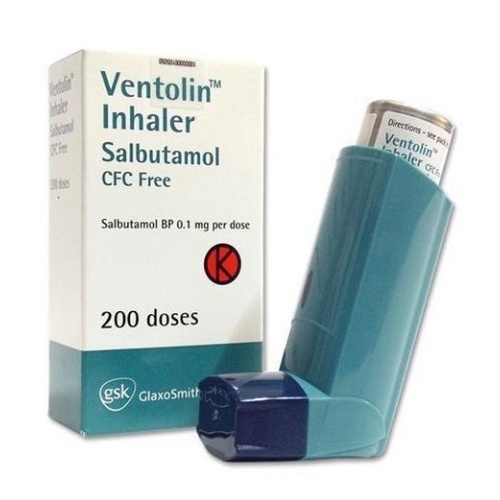
| Product name | Ventolin Inhaler |
|---|---|
| Main chemical | Salbutamol (also known as albuterol) |
| Intended use | Relief and prevention of Asthma symptoms |
| Available strengths | 100 mcg per actuation |
| Activation speed | Works within 5 minutes |
| How long it lasts | Typically 4–6 hours per dose |
| When to use | As needed for acute symptoms or before triggers |
| Prescription status in US | Requires a doctor’s prescription |
| Average retail price (US) | $30–$70 per inhaler (not including insurance) |
Ventolin Inhaler: Key Facts and Practical Guidance for Asthma Relief in the United States
Ventolin Inhaler, containing the active agent Salbutamol (also called albuterol), is a widely used prescription treatment for alleviating and preventing asthma symptoms. It is legally available in the United States and prescribed for both rapid relief and prevention of breathing difficulties associated with asthma. Below, you’ll find a step-by-step guide to understanding if it’s right for you, how it works, what to expect, and how to move forward with confidence.
Asthma Is Common, Manageable, and You Are Not Alone
Asthma affects a significant portion of the US population, and it’s a challenge faced by people of all ages. According to the Centers for Disease Control and Prevention (CDC), in 2021, about 25 million Americans—including nearly 5 million children—had asthma. The CDC also reports that asthma accounts for over 1.6 million emergency department visits annually in the US. These figures reinforce an important point: asthma is a widespread chronic condition, but it’s also one where effective treatments and personalized management plans are available for most people. If you are experiencing symptoms like shortness of breath, wheezing, chest tightness, or coughing, you are far from alone, and proven solutions exist.
How Ventolin Inhaler Eases Asthma Symptoms: Mechanism and Practical Impact
Ventolin Inhaler delivers Salbutamol directly to your lungs. Salbutamol is a “short-acting beta-2 agonist” (often abbreviated as SABA). In practical terms, this means it relaxes the muscles lining your airways. When asthma strikes, these muscles tighten, narrowing the air passages and making breathing difficult. Using the inhaler causes these muscles to relax rapidly, opening up the airways and making it easier to breathe.
The effect can usually be felt within 5 minutes, providing swift relief from acute symptoms such as wheezing or tightness. For most, the benefit lasts 4 to 6 hours. If used before known triggers—like exercise, exposure to allergens, or cold air—it can prevent symptoms from developing. This rapid and targeted action is why Ventolin Inhaler is called a “reliever” or “rescue inhaler.”
Does Ventolin Inhaler Suit You? Scenarios for Selection and When to Consider Alternatives
| Situation | Is Ventolin Inhaler appropriate? | Why/Why Not |
|---|---|---|
| You have occasional asthma symptoms (less than twice a week) | Yes | Ideal for fast relief as needed, without daily medication. |
| You have exercise-induced symptoms or anticipate exposure to triggers | Yes | Using Ventolin before activity can prevent symptoms from starting. |
| You need relief more than twice a week or wake up at night with symptoms | Ventolin plus daily controller needed | Frequent need means your asthma is not well-controlled; you may need daily inhaled steroids in addition. |
| You have severe heart rhythm problems or uncontrolled high blood pressure | No | Salbutamol may worsen these conditions; alternatives or extra precautions are needed. |
| You are already using another reliever inhaler (like ProAir or Xopenex) regularly | Discuss with your doctor | Combining similar medications offers no extra benefit and may increase risks. |
This table is designed to reflect real-life situations. If you see yourself in the “frequent symptoms” or “heart condition” scenarios, Ventolin Inhaler alone may not be right. In these cases, a conversation with your healthcare provider is essential to tailor a plan safely and effectively.
How to Use Ventolin Inhaler in Real Life: What to Expect and What to Do in Unusual Situations
- Using the inhaler: Shake well, exhale fully, place mouthpiece in your mouth, inhale deeply while pressing down, hold your breath for 10 seconds if possible, then exhale slowly.
- Typical dosing: 1–2 puffs as needed for relief, or 15–30 minutes before triggers. Do not exceed more than 8 puffs in 24 hours unless instructed by your provider.
- Onset and duration: Relief should start within 5 minutes and last up to 6 hours.
- If you miss a dose: Because Ventolin is used as needed, there is usually no “missed dose.” If symptoms recur, use your inhaler as directed.
- If it doesn’t work: If you use your inhaler and do not feel better after a few minutes, or your symptoms worsen, seek immediate medical attention. This could indicate a severe asthma attack.
- Normal effects: Slight tremor, faster heartbeat, or mild nervousness may occur transiently.
- When to worry: If you feel dizzy, experience chest pain, or continue to have trouble breathing after using Ventolin, go to the emergency room or call 911.
- Maintenance: Rinse your mouthpiece weekly. Keep track of doses remaining.
- Other medications: Always tell your provider about other prescription or non-prescription drugs you use, as some may interact with Salbutamol.
Who Should Not Use Ventolin Inhaler: Contraindications and Their Reasons
- Severe allergy to Salbutamol or inhaler ingredients: Using Ventolin could cause a dangerous allergic reaction in these cases.
- Severe, unstable heart conditions: People with certain arrhythmias or recent heart attacks are advised against this medication because Salbutamol can speed up the heart rate and potentially trigger complications.
- Uncontrolled high blood pressure: Because Salbutamol can raise blood pressure slightly, it is avoided in uncontrolled hypertension.
- Pediatric considerations: Young children may require a spacer or different formulation. Only use under a pediatrician’s guidance.
If you are unsure about any of these points, consult your healthcare provider before starting Ventolin Inhaler. Personalized medical advice is essential for complex cases.
Possible Side Effects: What’s Common, What’s Rare, and When to Seek Immediate Help
- Common and self-limited: Shakiness (tremor), mild palpitations (fast heartbeat), feeling jittery, or headache. These usually resolve on their own within minutes to an hour.
- Occasional: Muscle cramps, dry mouth, mild throat irritation.
- Rare but serious: Severe chest pain, sudden worsening of breathing, swelling of lips or face, or severe allergic reaction.
If you experience severe breathing difficulty, loss of consciousness, or signs of anaphylaxis (such as swelling of the face or difficulty swallowing), call 911 or your nearest emergency department in the United States immediately. For persistent or bothersome side effects, contact your doctor for advice. Most side effects are mild and temporary, but any new or severe symptoms should be taken seriously.
Drug Interactions: What to Discuss with Your Doctor Before Starting Ventolin Inhaler
Some medications can interact with Salbutamol, either increasing side effects or altering effectiveness. Important groups include:
- Other asthma medications: Using multiple reliever inhalers (e.g., ProAir, Xopenex) may increase risk of side effects without added benefit. Your regimen should be coordinated by your provider.
- Beta-blockers: Medications used for heart disease or high blood pressure (like propranolol, metoprolol) can reduce the effect of Salbutamol or trigger breathing difficulties.
- Certain antidepressants and diuretics: Drugs that affect your heart’s rhythm or potassium levels may interact with Salbutamol, increasing the risk of abnormal heartbeats.
Tell your doctor about all medications, supplements, and even over-the-counter preparations. This ensures your asthma therapy is both safe and effective for you.
What Are the Alternatives? Honest Comparison with Other Asthma Medications
| Medication | Type | When it’s preferred | Limitations |
|---|---|---|---|
| Ventolin Inhaler (Salbutamol) | Short-acting reliever | Rapid symptom relief, prevention before triggers, suitable for most mild/intermittent asthma | Not for daily control, may not suit people with heart problems |
| Inhaled corticosteroids (e.g., Fluticasone, Budesonide) | Preventive controller | Daily use for moderate to severe asthma, reduces inflammation long-term | Does not offer immediate relief, requires regular use |
| Combination inhalers (e.g., Advair, Symbicort) | Controller + long-acting reliever | When single-agent therapy is insufficient, for frequent symptoms | Not for acute attacks, cost can be higher |
| Other relievers (e.g., Levalbuterol, ProAir) | Alternative short-acting agents | For those with side effects on Salbutamol, or preference for a different brand | Clinical differences are typically minor, cost/insurance may vary |
No single solution fits every case. Ventolin is often the first choice for quick relief. However, people with frequent symptoms, poor asthma control, or certain heart conditions may need a daily controller or a different rescue medication. Honest discussion with your doctor ensures a plan tailored to your needs, especially if you have concerns about side effects, interactions, or cost.
Buying Ventolin Inhaler in the United States: Process, Price, and What to Expect
Ventolin Inhaler is classified as a prescription medication in the US. This means you must have a valid prescription from a licensed healthcare provider to obtain it legally, whether from a physical pharmacy or an online service. The US Food and Drug Administration (FDA) regulates its approval, manufacturing, and distribution. While some online sources may offer Ventolin without a prescription, this practice is not in compliance with US regulations, and risks include counterfeit products or lack of pharmacist oversight.
Insurance coverage and pharmacy pricing can vary widely. Many insurance plans cover Ventolin or its generic equivalents, often with a copay. Uninsured patients may pay more, but prescription discount programs or manufacturer coupons can reduce out-of-pocket costs.
| Cost item | Amount | Note |
|---|---|---|
| Doctor’s consultation | $50–$200 | In-person or telehealth, varies by provider and insurance |
| Prescription fee | $0–$20 | Some clinics charge, others include in visit |
| Ventolin Inhaler (per unit) | $30–$70 | Retail price before insurance; generics often less expensive |
| Delivery (online pharmacy) | $5–$25 | Standard shipping, may be higher for express |
| Total | $85–$315 | Lower end: insured, telehealth + generic + pickup. Upper end: uninsured, in-person, branded, express shipping |
Most buyers pay toward the lower end if they have insurance and use generic Salbutamol inhalers. For those without insurance, exploring manufacturer coupons or pharmacy discount cards can help reduce costs. Always use a reputable, US-licensed pharmacy to ensure authenticity and safety.
What If I Still Have Questions or Unusual Circumstances?
Some situations don’t fit standard scenarios—such as asthma during pregnancy, overlapping chronic diseases, or unclear insurance status. In these cases, it is important to reach out to your healthcare provider or a board-certified allergist or pulmonologist. They can adjust your plan based on your medical history, other medications, and lifestyle. If you have difficulty accessing a doctor, many pharmacies and telemedicine platforms in the United States now offer guided consultations for asthma care and Ventolin prescriptions.
Remember: sudden, severe shortness of breath, inability to speak, bluish lips, or loss of consciousness are emergencies. In those cases, call 911 in the US without delay.
