
- Home/
- Buy Clomid at Low Price Online in the United States
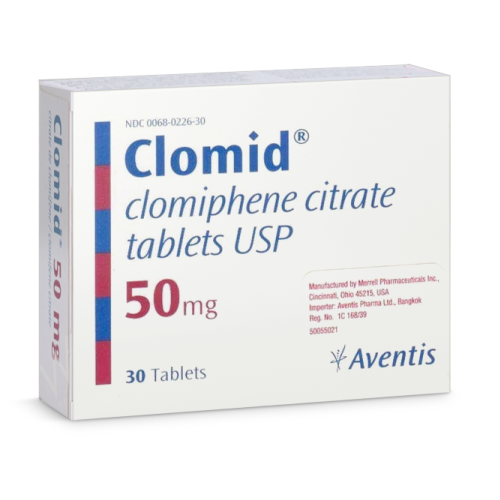
A Moment in the Fertility Clinic—Why Clomid Still Matters
The clock ticks softly on the wall. Across the exam room, a woman shifts in her seat, clutching a folder of lab results. The question she asks isn’t written anywhere in that stack of printouts: “Will this really work for me?” The ‘this’ is Clomid—a name she’s seen on message boards, whispered in waiting room corners, and sometimes used as a shorthand for hope itself. It’s not new. It’s not trendy. But for thousands of women across the United States, Clomid is still where the journey to parenthood begins.
Clomid’s story isn’t just about ovulation. It’s about expectation: the tension between what’s possible in theory and what happens in real life, between statistics and the singular experience of wanting a child. In a world of IVF advances and genetic miracles, why does this decades-old tablet remain a mainstay? The answer isn’t in the chemistry—it’s in the lived reality of female infertility, and in the way American medicine weighs risk, cost, and hope.
This is not a story about miracle cures. It’s about understanding what Clomid can—and cannot—do for you, and why the answer is rarely as simple as “yes” or “no.” Let’s step beyond the pamphlets and the forums. What does it really mean to start Clomid in the United States, right now?
Is Clomid the Right First Step for You?—Who Actually Benefits
Not every woman struggling to conceive should or will benefit from Clomid. For all its reputation as a go-to fertility pill, the decision to prescribe clomiphene is rooted in a very specific kind of problem: ovulatory dysfunction. If you don’t ovulate regularly, Clomid might open the door to pregnancy. If you do ovulate but face other barriers—blocked tubes, severe male factor, age-related egg decline—Clomid’s promise fades.
- Doctors reach for Clomid when: A woman is not ovulating (typically due to polycystic ovary syndrome, or PCOS), her hormone levels suggest the potential for egg production, and her partner’s fertility is reasonably normal.
- Clomid is less likely to help if: You already ovulate regularly, are over 40 with diminished ovarian reserve, have known tubal disease, or have a partner with severe sperm issues. In these cases, Clomid may delay more effective solutions.
- It’s usually the first medical step because: Clomid is inexpensive, oral (not injectable), and most insurance plans in the United States cover it before approving more complex fertility treatments.
Many women assume Clomid is “fertility medication” in the broadest sense. In reality, it’s a targeted therapy—most effective when the problem is about getting eggs out, not fixing other reproductive obstacles.
Clomid in Action—What It Does (and Doesn’t Do) in Your Body
Clomid’s mechanism is both simple and counterintuitive. As a selective estrogen receptor modulator (SERM), clomiphene tricks your brain’s hormone center into thinking your estrogen levels are lower than they really are. This prompts a hormonal cascade: the pituitary releases more FSH (follicle-stimulating hormone) and LH (luteinizing hormone), which in turn stimulate your ovaries to mature and release one or more eggs.
For most women with anovulation, this is exactly the nudge their bodies need. But the effect isn’t magic. If your ovaries are already failing to respond due to age or diminished reserve, or if something blocks the path between ovary and uterus, boosting FSH and LH won’t solve the underlying problem. Clomid does not fix egg quality, unblock fallopian tubes, or compensate for severe sperm dysfunction.
The cycle is tightly choreographed:
- Days 3–5: Most women start Clomid, taking one pill daily for five days.
- Ovulation usually occurs about 5–10 days after the last pill.
- Intercourse or intrauterine insemination (IUI) is timed to coincide with ovulation.
Realistic Expectations—How Success with Clomid is Measured
| Outcome | How Often It Happens | What It Means for You |
|---|---|---|
| Ovulation triggered | ~70–80% of women with anovulation | You develop and release at least one egg during treatment. |
| Pregnancy per cycle | 10–13% | Chance of conceiving in a single Clomid cycle—lower than most expect. |
| Cumulative pregnancy (after 3–6 cycles) | ~30–40% | Most pregnancies occur within the first 3–4 cycles, if they will happen at all. |
| Twins (multiple pregnancy) | 7–10% | Risk of twins is significantly higher than natural conception, but triplets or more are rare. |
What these numbers do—and don’t—mean: Ovulating does not guarantee pregnancy; it simply makes it possible. The cumulative pregnancy rate is lower than many patients expect, especially when compared to in vitro fertilization (IVF). If you haven’t conceived after three or four cycles, your chances of success with continued Clomid drop sharply.
Which Side Effects Matter Most with Clomid—And When to Act
- What are the common side effects of Clomid?
- Most women experience mild, temporary symptoms. Hot flashes, mood swings, bloating, breast tenderness, and headaches are most typical. These effects usually resolve after stopping the medication.
- Is there a risk of serious side effects?
- Rarely, Clomid can cause ovarian hyperstimulation syndrome (OHSS). This is more common with injectable fertility drugs but can happen with Clomid, especially at higher doses. Symptoms include rapid weight gain, severe abdominal pain, shortness of breath, or vomiting—these require immediate medical attention.
- Can Clomid affect my vision?
- Visual disturbances such as blurring, flashes, or spots are uncommon but urgent. If you notice vision changes during treatment, stop taking Clomid and call your doctor. These symptoms usually resolve but can be serious if ignored.
- What about mood changes?
- Mood swings are common and can feel like intense PMS. Some women experience anxiety or irritability. If you have a history of mood disorders, discuss this in advance with your provider.
- Does Clomid increase the risk of ovarian cysts or cancer?
- Clomid can sometimes cause temporary ovarian cysts. Current evidence does not show a clear increase in ovarian cancer risk with typical short-term use, but prolonged or repeated use should be avoided.
| Side Effect | How Common | When to Call Your Doctor |
|---|---|---|
| Hot flashes | Very common | Only if interfering with daily life or accompanied by other symptoms |
| Mood swings | Common | If severe mood symptoms, depression, or anxiety develop |
| Bloating / abdominal pain | Common | If pain is severe, worsens, or is associated with vomiting/shortness of breath |
| Vision changes | Uncommon | Immediately stop Clomid and call your doctor |
| Ovarian cysts | Uncommon | If new or worsening pelvic pain develops |
| Ovarian hyperstimulation syndrome (OHSS) | Rare | If sudden weight gain, severe pain, or breathing changes occur |
Bottom line: Most side effects are mild. Serious reactions are unusual but deserve prompt attention.
When Not to Take Clomid—Warnings and Clinical Context
- Liver disease: Clomid is metabolized by the liver. Women with active liver disease, abnormal liver tests, or a history of hepatitis should avoid it entirely.
- Unexplained uterine bleeding: If you have undiagnosed vaginal bleeding, do not start Clomid until your provider determines the cause.
- Ovarian cysts not due to PCOS: Clomid can worsen non-PCOS cysts.
- Known or suspected pregnancy: Clomid should never be taken during pregnancy.
- Hypersensitivity: Severe allergy to clomiphene or its ingredients.
- Primary ovarian failure: If your ovaries do not respond to hormonal stimulation, Clomid will not help and may increase risks.
Relative cautions: Women with fibroids, a history of severe migraines, or visual disturbances should discuss risks and benefits with their doctor. Clomid is not recommended for long-term or repeated use beyond six cycles due to safety concerns.
Clomid vs. Other Fertility Medications—A Side-by-Side Look
| Attribute | Clomid (Clomiphene) | Letrozole (Femara) | Gonadotropins (FSH/LH Injections) |
|---|---|---|---|
| Primary use | Stimulate ovulation in women with ovulatory dysfunction | Alternative ovulation induction, especially in PCOS | Second-line or for IVF/IUI cycles |
| How it works | SERMs boost FSH/LH by blocking estrogen feedback | Aromatase inhibitor lowers estrogen, boosting FSH/LH | Directly supplies FSH/LH to stimulate follicles |
| Route | Oral pill | Oral pill | Subcutaneous injection |
| Usual starting dose | 50 mg daily for 5 days | 2.5–7.5 mg daily for 5 days | Variable; individualized by provider |
| Ovulation rate | ~70–80% | ~60–80% | ~80–90% |
| Pregnancy rate per cycle | 10–13% | 12–15% | 15–25% |
| Multiple birth risk | 7–10% (mostly twins) | ~5% (lower than Clomid) | ~20% (higher-order multiples possible) |
| Common side effects | Hot flashes, mood swings, bloating, vision changes | Fatigue, dizziness, headaches | Bloating, injection site pain, mood swings, OHSS |
| Monitoring required | Often minimal; sometimes ultrasound | Often minimal | Frequent ultrasound and labs required |
| Cost in United States | Low ($9–$50 per cycle) | Low to moderate ($15–$75 per cycle) | High ($1000+ per cycle, rarely covered by insurance) |
| FDA-approved for ovulation induction | Yes | No (off-label, but widely used) | Yes |
| Prescription required | Yes | Yes | Yes |
What this means for you: Clomid remains the most accessible and affordable first-line ovulation induction agent in the United States. Letrozole is increasingly used, especially for PCOS, and may be favored in women who don’t respond to or tolerate Clomid. Gonadotropins offer the highest pregnancy rates per cycle, but with much higher cost, monitoring needs, and risk of twins or more. Most women start with Clomid—if it fails, moving to letrozole or injections may be the next step.
“In real practice, we choose Clomid when a woman has clear ovulatory dysfunction and no other major barriers to pregnancy. It’s easy to start, easy to monitor, and most patients tolerate it well. But we don’t keep patients on Clomid cycle after cycle—if you don’t conceive within four to six cycles, it’s time to reconsider the whole plan. The thing most women misunderstand is that more Clomid doesn’t mean better odds—it’s about matching the right tool to the real problem.” — Board-certified reproductive endocrinologist, United States
Taking Clomid—Practical Tips, Dosage, and What to Expect
Clomid cycles run on a tightly orchestrated schedule. Timing, adherence, and monitoring matter more than most patients realize. The standard course starts on day 3, 4, or 5 of your period—and missing the window can throw off the cycle.
| Indication | Starting Dose | Max Dose per Cycle | Adjustment Criteria |
|---|---|---|---|
| Anovulation (PCOS, unexplained) | 50 mg daily × 5 days | Up to 150 mg daily × 5 days | If no ovulation, increase by 50 mg per cycle (max 6 cycles) |
| Other ovulatory disorders | 50–100 mg daily × 5 days | 150 mg daily × 5 days | Based on hormone response and ultrasound |
- How to take: Same time each day, with or without food. If you miss a dose, contact your doctor—do not double up the next day.
- Monitoring: Some cycles require bloodwork or ultrasound to confirm ovulation and prevent complications. Others are monitored by tracking basal body temperature, ovulation predictor kits, or midluteal progesterone.
- Sex or insemination timing: Plan intercourse or IUI for 5–10 days after your last pill. Your provider may recommend additional guidance based on your cycle response.
Most U.S. insurance plans cover Clomid when prescribed for documented ovulation disorders, but pre-authorization or proof of infertility may be required. Out-of-pocket cost at retail pharmacies ranges from $9 for generic to $50 or more for brand-name, per cycle.
How to Get Clomid in the United States—Access, Cost, and Pharmacy Realities
In the U.S., Clomid is a prescription-only medication. Most women receive it from an obstetrician-gynecologist or reproductive endocrinologist after diagnostic testing confirms an ovulation disorder. Pharmacists in every state can fill Clomid from a valid prescription—telehealth prescribing is legal in most states, but some require at least one in-person consult for fertility drugs.
Insurance coverage is variable. Most plans cover Clomid before more expensive options, but some require a diagnosis of infertility and documentation of failed attempts to conceive. Generic clomiphene is widely available and affordable at national pharmacy chains; “online pharmacy” options exist, but be cautious—only use certified U.S. pharmacies and never purchase clomiphene without a prescription. The FDA regulates both brand and generic forms.
Frequently Asked Questions about Clomid in the United States
- How quickly will I know if Clomid worked?
- Most women ovulate 5–10 days after the last dose. Pregnancy can only be confirmed with a test two weeks after ovulation. Bloodwork or ultrasound may be used to confirm ovulation, but don’t expect immediate results.
- Can I use Clomid if I have irregular periods?
- Yes—irregular cycles are a common reason for Clomid use. Your doctor will help pinpoint your cycle start date and guide you on when to begin the medication.
- How many cycles of Clomid should I try?
- Most pregnancies occur within the first three to four cycles. If you haven’t conceived by six cycles, further Clomid is rarely recommended. Re-evaluate your diagnosis and options with your doctor.
- Is Clomid safe for long-term use?
- Clomid is not intended for long-term or repeated use. Prolonged use increases risks without boosting effectiveness. Most doctors limit therapy to six cycles or fewer.
- Can Clomid cause birth defects?
- Extensive studies have not shown an increased risk of birth defects with Clomid when used as directed. However, do not take Clomid during pregnancy, and always confirm you are not pregnant before starting a cycle.
- What if I get severe side effects?
- Stop the medication and call your doctor immediately—especially if you notice vision changes, severe pain, or shortness of breath. Most side effects are mild, but serious reactions must be addressed quickly.
- How much does Clomid cost with and without insurance in the United States?
- Generic clomiphene costs about $9–$50 per cycle at most U.S. pharmacies. Insurance often covers it for infertility, but requirements vary. Out-of-pocket costs for brand-name Clomid are higher. Always check with your insurer and pharmacist before starting.
References
- Clomid (clomiphene citrate) Prescribing Information – FDA
- Infertility FAQs – Centers for Disease Control and Prevention
- Practice Committee of the American Society for Reproductive Medicine. Ovulation induction in women with polycystic ovary syndrome. Fertil Steril. 2023.
- Clomiphene (Oral Route) – Mayo Clinic
- PubMed: Clomiphene for ovulation induction
- Female Infertility: ACOG Practice Bulletin. American College of Obstetricians and Gynecologists, 2022.
- Infertility and Assisted Reproductive Technology. U.S. Department of Health & Human Services, Office on Women’s Health.
- Letrozole and clomiphene for ovulation induction in polycystic ovary syndrome: a meta-analysis. Fertility and Sterility, 2021.
