
- Home/
- Buy Propecia in Online Pharmacy in the United States
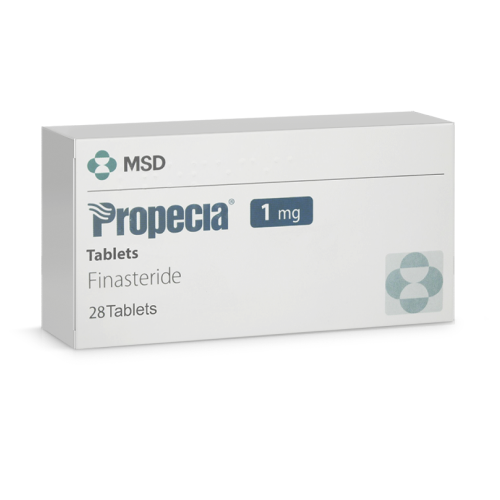
| Brand Name | Propecia |
|---|---|
| Main Component | Finasteride |
| Purpose | Male pattern hair loss (androgenetic alopecia) treatment |
| Strengths Offered | 1 mg tablets |
| How soon effects may show | Visible improvement typically after 3–6 months of daily use |
| How long the benefits last | Continues with regular use; hair loss may resume if stopped |
| Daily Schedule | Once daily tablet |
| Food and drink interactions | Can be taken with or without meals |
| Prescription status in United States | Prescription required (FDA regulated) |
Propecia for Hair Loss: Your Practical Roadmap in the United States
Propecia is a prescription medication containing the active substance finasteride, approved by the FDA for treating male pattern hair loss. It’s designed to help men regain and preserve scalp hair, and you can legally obtain it in the United States through licensed healthcare providers and pharmacies. Here’s how Propecia fits into the real decision-making process if you’re experiencing hair thinning or loss.
How Common—and Treatable—is Male Hair Loss?
Male hair loss, especially the pattern known as androgenetic alopecia, is widespread and affects millions in the United States. According to the American Academy of Dermatology, as of 2022, about 50 million men in the U.S. experience some degree of male pattern baldness. It typically develops gradually and can start as early as the late teens or early twenties. The emotional impact is significant—but the condition is treatable. Advances in medical treatment mean that effective options, like Propecia, are available and accessible. You are not alone in this, and solutions exist for most men facing this challenge.
How Propecia Works: The Science and the Real-life Result
Propecia acts by reducing levels of dihydrotestosterone (DHT), a hormone linked directly to hair follicle shrinkage in men prone to pattern hair loss. DHT is derived from testosterone by the action of the enzyme 5-alpha-reductase. Propecia (finasteride) selectively blocks this enzyme, lowering DHT production. What does this mean for you? With less DHT, the hair follicles are less likely to weaken and miniaturize. Clinically, this translates to slower hair loss, maintenance of current hair, and, for many men, some regrowth—though this varies by individual. Most users start to notice a reduction in shedding after several months, with optimal effects seen at the one-year mark. If Propecia is discontinued, DHT levels return to baseline, and hair loss typically resumes within months.
Is Propecia Right for You? Three Real-life Scenarios
| Your Situation | Recommendation | Reasoning |
|---|---|---|
| You are a man aged 18–41 with early or moderate thinning on the crown or center of the scalp. | Propecia is likely a strong option. | Evidence shows most benefit in this group—clinical trials (FDA, 1998) found visible improvement and slowed loss in the majority. |
| You have advanced baldness with shiny, scarred scalp or have been bald for many years. | Propecia is less likely to help. | It cannot regenerate hair from inactive follicles; results are minimal where follicles are absent. |
| You are a woman experiencing hair thinning. | Propecia is not recommended. | Safety and efficacy have not been established for female hair loss; off-label use is discouraged due to potential risks. |
| You are taking medications that affect male hormones (e.g., testosterone replacement). | Careful evaluation required. | Potential for interaction; a healthcare professional should assess benefit and risk. |
If you’re unsure which situation fits, or if your hair loss pattern is atypical, a consultation with a hair loss specialist can help clarify your best next steps.
How to Take Propecia: What to Expect and What Ifs
- When to take it: Propecia is taken once daily, preferably at the same time every day for consistency.
- With or without food: Meals do not affect absorption, so you can take it with or without food.
- If you miss a dose: Skip the missed dose and take the next scheduled tablet. Do not double up.
- How long before you see results: Hair growth changes are usually noticed after 3–6 months of regular use. Continued use is necessary to maintain benefits.
- If it doesn’t seem to work: If you see no visible effect after 12 months, further improvement is unlikely, and your doctor may discuss discontinuing the medication.
- Stopping Propecia: If you discontinue, any effect on hair retention is lost within 12 months, and hair loss resumes.
- Routine monitoring: No routine blood tests are usually required, but inform your doctor about any side effects or concerns.
Practical tip: Store the medication at room temperature and keep it away from children or pregnant women, as the crushed or broken tablets can be harmful if handled.
Safety Considerations for Propecia Use
Who Should Not Use Propecia: Understanding Contraindications
- Women and children: Propecia is not intended for use in women or individuals under 18 because finasteride’s safety for these groups is unproven and potential for harm exists.
- Allergic reaction to finasteride: If you have had hypersensitivity to finasteride or similar drugs, use is contraindicated due to risk of severe allergic response.
- Liver disease: Significant liver impairment may affect metabolism of finasteride, increasing the risk of adverse effects.
If you fall into any of these categories, alternative approaches or a specialist referral are necessary.
Potential Side Effects: What’s Common, What’s Rare
- Frequently reported (1–10%): Reduced libido, difficulty with erection, or reduced semen volume. These often resolve with continued use or after stopping.
- Occasional: Breast tenderness or enlargement, skin rash, mood changes. If these persist or cause concern, discuss with your healthcare provider.
- Rare but important: Signs of breast lumps, nipple discharge, or persistent pain; these require prompt medical evaluation due to rare reports of male breast cancer.
- Allergic reactions (rare): Swelling of the lips, face, or throat, or difficulty breathing—seek immediate medical attention by calling the U.S. emergency number 911 if these symptoms occur.
Most side effects are mild and reversible, but report any persistent or severe symptoms to your doctor. Your provider can help determine whether continuing Propecia is appropriate for you.
Drug Interactions: What You Need to Tell Your Doctor
Propecia has a low risk of interacting with most medications. However, always inform your provider about any drugs or supplements you use, especially:
- Other medications that affect hormones (e.g., testosterone, anabolic steroids)
- Herbal supplements for hair loss (such as saw palmetto), which may have similar hormonal effects and could add to or alter Propecia’s impact
- Any medication for prostate conditions—finasteride is also used at higher doses for prostate enlargement, and cross-use can cause confusion in dosing
In practice, no major interactions are common, but transparency with your healthcare provider is key for safe treatment.
Comparisons and Alternatives: Is Propecia the Best Solution for You?
| Option | How it Works | Ideal for | Limitations |
|---|---|---|---|
| Propecia (Finasteride 1 mg) | Blocks DHT production to protect hair follicles | Men with early to moderate hair loss who want a daily pill with proven results | Not for women; effects lost if stopped; sexual side effects in some users |
| Minoxidil (topical solution/foam) | Enhances blood flow to scalp and stimulates follicles | Men and women; over-the-counter availability | Less effective for receding hairlines; daily use required; possible scalp irritation |
| Hair transplantation | Moves healthy hair follicles to thinning areas | Those seeking permanent solution and willing to undergo a procedure | High cost; surgical risks; not suitable for all hair types or patterns |
| Natural supplements | Varies by product, no proven effect on DHT | Those preferring non-pharmaceutical approaches | Lack of robust clinical evidence; often ineffective |
For most men with male pattern hair loss, Propecia is the only FDA-approved oral treatment with substantial evidence for effectiveness—particularly when started early. Minoxidil is often used alongside or as an alternative, especially for those who prefer a non-oral treatment or for whom Propecia is not suitable. Surgical and natural options are alternatives for those not responding to or not candidates for medication. Honest discussion with your provider will clarify the best fit for your situation.
Buying Propecia in the United States: What to Expect
| Expense | Cost (USD) | Details |
|---|---|---|
| Doctor visit (in-person or telemedicine) | $20–$150 | Varies by provider and insurance. Some online platforms include this in the medication price. |
| Prescription handling fee (if separate) | $0–$25 | Some pharmacies or telehealth services may charge this. |
| Propecia 1 mg (30 tablets) | $70–$200 | Brand name; insurance may reduce cost. Generics (finasteride 1 mg) run $10–$60/month. |
| Delivery | $0–$15 | Most online platforms offer mail delivery; pricing depends on service level. |
| Total estimated monthly cost | $30–$240 | Lower range: with generic, telemedicine, and insurance. Upper range: brand name, in-person visit, expedited delivery. |
In the United States, Propecia is only legally dispensed with a prescription. Many patients opt for telemedicine services, which streamline evaluation, prescription, and delivery, often at a reduced total cost. Generics are widely available and contain the same active ingredient (finasteride 1 mg), offering a more affordable alternative. Be cautious of sources selling Propecia without a prescription, as these may be unregulated or counterfeit—always check for pharmacy licensure and FDA approval.
What If I Have More Questions or Unusual Circumstances?
Some men have unique medical backgrounds, complex combinations of medications, or atypical hair loss patterns. It’s normal to wonder whether these factors might change the safety or effectiveness of Propecia for you. In such cases, a board-certified dermatologist or a physician specializing in hair restoration can provide tailored advice. The U.S. healthcare system enables access to these experts through referral, telemedicine, or specialty clinics. For in-depth discussions, bring a list of all medications, supplements, and relevant lab results to your appointment—this helps your provider offer the most accurate guidance.
