
- Home/
- Buy Zithromax Without Prescription in the United States Online
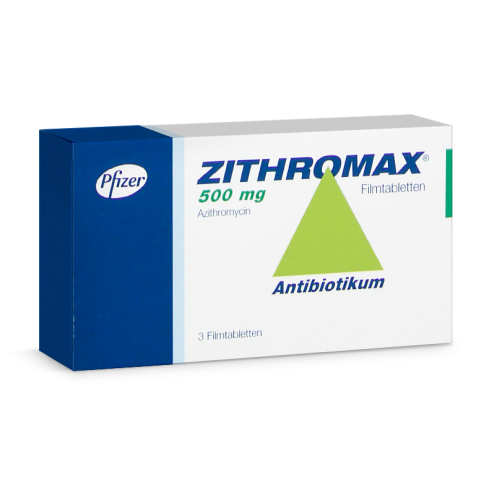
Zithromax is a prescription antibiotic used to treat a range of bacterial infections, including respiratory tract, skin, and some sexually transmitted infections. It works differently than many common antibiotics, offering a shorter course and fewer daily doses. The most important thing to know before starting: Zithromax can be highly effective, but only against certain types of bacteria—using it for the wrong infection or without clear need can do more harm than good.
Why Zithromax? The Real-World Reasons Doctors Turn to Azithromycin
Imagine sitting in a doctor’s office, feeling unwell, and hearing that you need an antibiotic. The name that comes up—Zithromax—sounds both familiar and foreign. Why this one, and not the dozens of others lining pharmacy shelves?
In the United States, Zithromax (azithromycin) has become almost a shorthand for “quick and easy” antibiotic treatment. Its three- or five-day course is usually all it takes, promising an end to symptoms with fewer pills—and often, fewer stomach problems than older antibiotics like amoxicillin or doxycycline. But convenience is only part of the story.
Doctors reach for Zithromax not because it’s the strongest, but because it’s selective. It tackles bacteria that cause common respiratory infections—like community-acquired pneumonia and strep throat (when penicillin can’t be used)—and certain sexually transmitted infections, such as chlamydia. It’s also a backup player when others can’t be given due to allergies or resistance patterns in your area.
So, why Zithromax? When used appropriately, it offers a balance of effectiveness, tolerability, and convenience. But that reputation can also lead to overuse, which is a growing concern. Knowing when it’s the right choice—and when it isn’t—is what sets apart the best outcomes from the rest.
Zithromax vs. Other Antibiotics: How It Stacks Up in the U.S.
Antibiotic choices can feel overwhelming. In the pharmacy aisle or during a rushed clinic visit, it helps to see how Zithromax compares—head-to-head—with other common options for bacterial infections treated in the United States.
| Attribute | Zithromax (Azithromycin) |
Amoxicillin | Doxycycline |
|---|---|---|---|
| Type | Macrolide antibiotic | Beta-lactam antibiotic | Tetracycline antibiotic |
| Main Uses | Respiratory, skin, some STIs | Respiratory, ear, urinary, dental | Respiratory, skin, tick-borne diseases, some STIs |
| Dosage Duration | 3–5 days (once daily) | 7–10 days (2–3 times daily) | 7–14 days (once or twice daily) |
| Common Side Effects | GI upset, taste changes | GI upset, allergic rash | GI upset, sun sensitivity |
| Major Contraindications | History of severe allergy to macrolides, certain heart arrhythmias | Severe penicillin allergy | Pregnancy, children under 8, allergy to tetracyclines |
| Prescription Status (U.S.) | Prescription only | Prescription only | Prescription only |
| Cost (Generic) | Low (widely covered) | Very low | Low |
| Insurance Coverage | Usually covered | Almost always covered | Usually covered |
What does this mean in practice? Zithromax’s shorter course and fewer daily doses make it a go-to for patients who need simplicity and are less likely to finish a longer regimen. However, it isn’t as broadly effective as amoxicillin for ear or dental infections, nor as versatile as doxycycline for tick-borne illnesses or acne. Insurance coverage is almost universal for generics, so cost is rarely a major factor—but allergies or intolerances often tip the decision.
How Zithromax Works Inside Your Body—and Why That Matters
When you swallow a Zithromax pill, you might expect it to behave just like any other antibiotic: enter the bloodstream, kill bacteria, and exit the body quickly. In reality, azithromycin (the active ingredient) operates on a different rhythm. It’s not just about killing bacteria—it’s about where, how long, and how much of the drug reaches the site of infection.
Azithromycin concentrates in tissues—especially the lungs, tonsils, and skin—at levels much higher than in the blood. This means it keeps working for days, even after the last pill. It blocks the bacteria’s protein-making machinery, stopping their ability to multiply and spread. Because of this long tissue “tail,” you need fewer doses than nearly any other common oral antibiotic.
- Macrolide
- A class of antibiotics that includes azithromycin, known for their ability to enter body tissues and stay active after dosing ends.
Why does this matter to you? The prolonged tissue effect makes Zithromax ideal for infections that are hard to reach or where strict adherence to a daily schedule isn’t realistic—think busy families, traveling adults, or anyone who struggles with complicated dosing. But this same property means that side effects (rare as they are) can also linger, and interactions with other medications—especially those that affect the heart’s rhythm—must be managed with care.
Who Is (and Isn’t) the Right Patient for Zithromax?
Not every infection is a job for Zithromax, and not every patient is the right candidate. In the U.S., guidelines reserve azithromycin for specific situations, based on evidence and the need to avoid antibiotic resistance.
-
Appropriate patients:
- Adults and children with bacterial respiratory infections, especially if allergic to penicillin or if resistance patterns suggest macrolides are effective
- Patients diagnosed with chlamydia or certain other STIs (per CDC guideline dosing)
- Those with skin or soft tissue infections proven (or suspected) to involve organisms sensitive to azithromycin
-
Not typically appropriate:
- Most viral infections (including COVID-19, unless a clear bacterial co-infection is present)
- Patients with a known history of heart rhythm disorders (QT prolongation)
- People with severe liver disease
- Anyone with prior serious allergic reaction to macrolide antibiotics
Relative contraindications—situations where Zithromax may be used but with caution—include pregnancy, breastfeeding, and certain kidney or liver conditions. In these cases, your healthcare provider weighs the risks and benefits, sometimes consulting infectious disease specialists or following strict clinical protocols (FDA).
Taking Zithromax: The Schedule, the Missed Dose, and the Weird Aftertaste
The appeal of Zithromax’s dosing is impossible to miss: a short course, often just three to five days, with one dose a day. This simplicity is a big part of its popularity—but it also brings questions about what to do when life gets messy.
| Condition | Typical Adult Dose | Duration | Notes |
|---|---|---|---|
| Community-acquired pneumonia | 500 mg (first day), then 250 mg daily | 5 days | Start with double dose |
| Chlamydia (uncomplicated) | 1,000 mg (single dose) | 1 day | Take all at once |
| Strep throat (penicillin-allergic) | 500 mg (first day), then 250 mg daily | 5 days | Not first choice for strep |
| Acute sinusitis | 500 mg once daily | 3 days | Short course, if used |
| Children (weight-based) | 10 mg/kg (first day), then 5 mg/kg | 5 days | Suspension form available |
Dosing may be adjusted for those with kidney or liver problems, and children are dosed by weight. Your pharmacist can clarify any confusion—never guess or double up doses without guidance.
- Swallow tablets whole with water; the suspension can be mixed with juice for children.
- Zithromax can be taken with or without food. Taking with food may reduce stomach upset.
- A temporary metallic or bitter aftertaste is common, especially with the liquid form. It fades quickly.
- Complete your full course, even if you feel better early, unless your doctor advises otherwise.
Which Side Effects Matter Most with Zithromax—and When to Act
No antibiotic is side effect–free, and Zithromax is no exception. Yet, many patients are surprised by how well it’s tolerated—especially compared to some alternatives. The most commonly reported issues are digestive: mild nausea, occasional diarrhea, or a strange taste in the mouth. These are rarely dangerous, but they can be unpleasant enough to tempt a patient to stop treatment early.
The side effects that do matter—and that should prompt a call to your doctor—are the rare but serious ones: allergic reactions (swelling, rash, trouble breathing), severe or persistent diarrhea (which could signal a Clostridioides difficile infection), and heart palpitations or fainting (especially in those with heart rhythm disorders or on certain other medications).
| Side Effect | How Common? | When to Contact a Doctor |
|---|---|---|
| Nausea/upset stomach | Common (~10%) | If severe or persistent |
| Diarrhea | Common (~5–10%) | If watery, bloody, or lasts >2 days |
| Bitter/metallic taste | Occasional | Usually does not require action |
| Allergic reaction (rash, swelling, breathing trouble) | Rare (<1%) | Immediately—this can be an emergency |
| Heart rhythm changes | Very rare (<0.1%) | Palpitations or fainting = call doctor or 911 |
| Severe diarrhea after stopping | Rare | If persists or is accompanied by pain/fever |
Side effects that start quickly (in the first one or two doses) are usually mild and fade after stopping. Severe allergic reactions or new heart symptoms can appear suddenly—don’t wait to seek help. If you have a history of arrhythmias or are taking other medications that prolong the QT interval, make sure your prescriber knows before you start Zithromax. See the FDA safety communications for more on these rare cardiac risks.
Accessing Zithromax in the U.S.: Prescription, Price, and Pharmacy Realities
In the United States, every prescription for Zithromax must come from a licensed healthcare provider—there are no over-the-counter or non-prescription forms legally available. Most major retail, mail-order, and independent pharmacies stock both brand-name and generic (azithromycin) versions.
Out-of-pocket costs for uninsured patients vary by pharmacy chain and location, but a 5-day generic course often costs $10–$30 before discounts. Some large U.S. chains offer further price reductions with in-house savings cards. Always ask your pharmacist about available programs—you may be surprised at how affordable it is. If you’re looking for Zithromax online, be wary: U.S. law requires a valid prescription and dispensing through a licensed pharmacy. Avoid websites offering antibiotics without one—they may be unsafe or illegal (FDA).
- Prior Authorization
- This is rarely required for generic azithromycin, but a few insurance plans may ask for documentation if you’ve filled similar prescriptions recently or if you are requesting higher than normal doses.
Pharmacists in the U.S. are well-versed in antibiotic dispensing rules. If you run into delays or insurance denials, ask your prescriber to communicate directly with the pharmacy—often, a quick phone call resolves the issue.
Doctor’s Perspective: When Azithromycin Is the Right Call (and When It Isn’t)
“In practice, I reach for azithromycin when I know—or have good evidence—that the infection is caused by bacteria sensitive to it and when I need my patient to finish the course. It’s invaluable for certain respiratory infections in patients who can’t take penicillins, and for chlamydia. But I see far too many requests for Z-Paks for colds or coughs where they just aren’t appropriate. The biggest risk is overuse: unnecessary antibiotics can lead to resistance, making future infections harder to treat. I tell my patients: if you’re prescribed Zithromax, make sure your doctor has a clear reason—and always finish the course, unless you have a serious side effect.”
That clinical reality—balancing effectiveness, patient adherence, and the threat of antibiotic resistance—defines how azithromycin is used in the U.S. today. It’s a tool, not a panacea, and the best outcomes come when both patient and provider are aligned about its proper place in treatment.
Frequently Asked Questions About Zithromax
- Can Zithromax be used to treat COVID-19 or other viral infections?
- No. Zithromax is ineffective against viruses—including COVID-19, the flu, or the common cold. It should only be used for bacterial infections confirmed or strongly suspected by your healthcare provider.
- What should I do if I develop diarrhea while taking Zithromax?
- Mild diarrhea is common and usually resolves on its own. If it is severe, watery, bloody, or lasts more than two days, contact your doctor. Rarely, a serious intestinal infection (C. difficile) can occur after antibiotic use.
- How quickly will I feel better after starting Zithromax?
- Most people see improvement in symptoms within 48 to 72 hours. If you don’t notice improvement—or if your symptoms worsen—contact your prescriber for further evaluation.
- Can I drink alcohol while taking Zithromax?
- Alcohol does not interact directly with Zithromax, but heavy drinking can make side effects (like stomach upset) worse and may slow your recovery. Moderate alcohol is generally considered safe, but check with your doctor if you have liver concerns.
- Is Zithromax safe during pregnancy or breastfeeding?
- Azithromycin is considered relatively safe in pregnancy and breastfeeding, but should only be used if clearly needed and prescribed by a healthcare provider. Discuss risks and benefits with your doctor before starting.
- What other medications can interact with Zithromax?
- Some medications that affect heart rhythm (like certain antiarrhythmics or antipsychotics) can interact with Zithromax. Always share your full medication list with your prescriber and pharmacist before starting.
- Can I get Zithromax without a prescription in the U.S.?
- No. U.S. law requires a valid prescription from a licensed healthcare provider for all forms of Zithromax (azithromycin).
- Can I stop taking Zithromax if I feel better?
- No. Complete the full course unless your doctor tells you otherwise. Stopping early can lead to treatment failure and increase resistance.
References
- U.S. Food and Drug Administration (FDA), Official Website
- Centers for Disease Control and Prevention (CDC), Antibiotic Use in the United States
- Mayo Clinic – Azithromycin (Oral Route) – Drug Information
- Infectious Diseases Society of America (IDSA), Clinical Practice Guidelines for the Diagnosis and Treatment of Infectious Diseases, 2023
- Pfizer Inc., Zithromax Prescribing Information
- PubMed – Azithromycin Review Articles
- American Academy of Pediatrics, Red Book: Report of the Committee on Infectious Diseases, 2021
- Azithromycin (Zithromax) Drug Monograph, U.S. National Library of Medicine, 2023
