
- Home/
- Buy Antabuse at Low Price Online in the United States
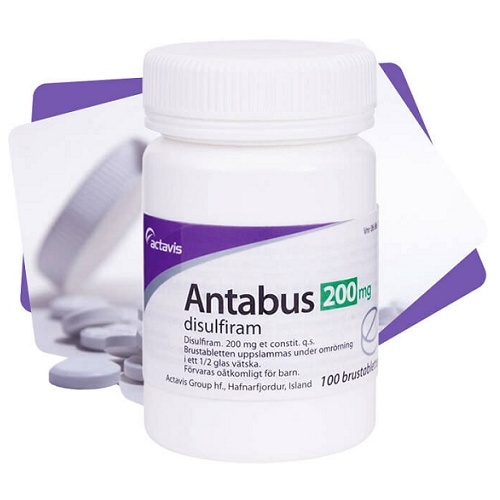
| Product Name | Antabuse |
|---|---|
| Principal Compound | Disulfiram |
| Condition Treated | Alcohol Use Disorder (AUD) |
| Strength Variants | 250 mg, 500 mg tablets |
| Time to First Effect | Within 1–2 hours of ingestion |
| How Long It Lasts | Up to 1–2 weeks after the last dose |
| Dosing Schedule | Typically taken once daily |
| Prescription Requirement in US | Yes, valid prescription needed |
| Average Retail Cost (US) | $60–$120/month (depends on pharmacy and insurance) |
Antabuse: Guidance for Alcohol Dependence Treatment in United States
Antabuse, containing the active agent disulfiram, is a medication prescribed to support individuals struggling with alcohol use disorder. It is legally available in the United States through pharmacies by prescription, and is used as part of a broader treatment plan for those aiming to maintain abstinence from alcohol.
Alcohol Dependence: A Widespread, Treatable Challenge
Alcohol dependence, now widely recognized as alcohol use disorder (AUD), affects millions of adults in the United States and carries substantial health and social consequences. According to the National Institute on Alcohol Abuse and Alcoholism (NIAAA), in 2022, approximately 29.5 million people aged 12 and older in the US had AUD. Despite the prevalence, evidence-based treatments—including medications like Antabuse—are available and can be highly effective. Knowing you’re not alone is the first step; recovery is achievable with the right combination of support and medical care.
How Antabuse Works: The Science Behind It
Disulfiram, the principal component of Antabuse, acts by interfering with how your body metabolizes alcohol. Normally, when you consume alcohol, your liver breaks it down first into acetaldehyde (a toxic substance) and then quickly further into harmless acetic acid. Disulfiram blocks the enzyme (aldehyde dehydrogenase) responsible for this second step. The result: if you drink alcohol while on Antabuse, acetaldehyde builds up rapidly, causing unpleasant reactions such as flushing, nausea, vomiting, palpitations, and headache.
- Physiological Mechanism: Blocks alcohol breakdown, leading to quick accumulation of a toxic by-product (acetaldehyde).
- What you experience: If you drink, you will quickly feel ill—this aversive reaction acts as an effective deterrent.
- Practical result: The fear of these effects discourages drinking, helping you maintain abstinence during the vulnerable early stages of recovery.
It’s important to note you do not feel these effects unless you ingest alcohol; taking Antabuse alone produces no “high” or sedative effect. The deterrent is psychological as much as it is physical.
Is Antabuse Right For Me? Matching Real-Life Scenarios
| Your Situation | Is Antabuse Suitable? | Reason |
|---|---|---|
| You are strongly motivated to abstain and can commit to taking the medication daily, with a support system to help monitor use. | Yes | Daily adherence is crucial for effectiveness. Support from family or healthcare providers boosts success. |
| You have difficulty remembering or managing daily medication, but are willing to engage in supervised dosing (for example, in a clinic or with a partner). | Yes, with supervision | Supervised administration overcomes adherence barriers, making Antabuse more reliable as a deterrent. |
| You have a history of severe heart disease, liver impairment, or active psychosis. | No | Antabuse is not recommended in these cases due to increased risk of dangerous side effects or exacerbation of underlying conditions. |
| You are actively drinking and not ready to stop alcohol use in the immediate future. | No | Antabuse should only be started after at least 12 hours of abstinence to avoid a severe reaction. |
| You are taking certain medications that may interact with disulfiram (see below). | Maybe | A healthcare provider can review drug interactions and suggest alternatives if needed. |
As always, a thorough discussion with your healthcare provider is essential to determine if Antabuse aligns with your health status, goals, and daily routine.
Practical Use: Getting the Most from Antabuse
Once prescribed, Antabuse is usually taken as a single daily tablet (most commonly 250 mg, sometimes up to 500 mg). For best results, it should be taken in the morning, but timing can be adjusted if drowsiness occurs. Take the tablet with a full glass of water, with or without food. Consistency is key—set reminders or involve a trusted person to help ensure regular dosing. Missing a dose reduces effectiveness but does not typically cause withdrawal or adverse effects; simply resume your usual schedule as soon as possible, but do not double up on doses.
- If you miss a dose: Take it as soon as you remember unless it is nearly time for your next dose. Never take two doses at once.
- If you accidentally drink alcohol while on Antabuse: You may experience a rapid onset of unpleasant symptoms—stop drinking immediately and seek medical help if the reaction is severe (see below).
- What’s normal: No noticeable effects unless alcohol is consumed. Mild fatigue or skin rash can occur in some people.
- What requires attention: Persistent nausea, yellowing of the eyes or skin, dark urine, mood changes, or signs of an allergic reaction. Consult your doctor if these arise.
- If you stop taking Antabuse: Its deterrent effect can last up to two weeks, but the ability to safely consume alcohol returns gradually—plan abstinence support accordingly.
Real-life tip: Even small amounts of alcohol (in mouthwashes, sauces, or medications) can trigger a reaction. Always read labels and consult your pharmacist if unsure about any product’s alcohol content.
Who Should Not Take Antabuse?
Antabuse is not appropriate for everyone. Below are key situations where it is contraindicated, along with the logic behind each exclusion:
- Severe heart disease (e.g., coronary artery disease, heart failure): Because Antabuse reactions can put strain on the heart, risking arrhythmia or cardiac events.
- Liver dysfunction or cirrhosis: Disulfiram is processed by the liver. Impaired liver function raises the risk of toxicity.
- Active psychosis or a history of severe mental health disorders: The medication can worsen psychiatric symptoms and increase psychological stress.
- Previous allergic reaction to disulfiram or other thiuram derivatives: Hypersensitivity reactions may be severe and unpredictable.
- Pregnancy and breastfeeding: Data on safety is limited; use is generally avoided unless specifically recommended by a specialist.
For those with these conditions, alternative medications or non-pharmacological treatments should be discussed with your healthcare professional.
Potential Side Effects: What to Expect and When to Seek Help
- Common and generally mild: Drowsiness, metallic or garlic-like taste in the mouth, mild headaches, skin eruptions. These are usually transient and resolve as your body adjusts.
- Occasional and possibly bothersome: Allergic skin reactions, acne, tiredness, or mild gastrointestinal upset. Let your clinician know if these persist.
- Rare but serious (seek prompt medical attention): Severe liver problems (yellowing of eyes/skin, dark urine, abdominal pain), neuropathy (tingling, numbness), vision changes, or confusion.
- Disulfiram–alcohol reaction: Flushing, sweating, nausea, vomiting, rapid heartbeat, low blood pressure, chest pain, shortness of breath. If you feel faint, have chest pain, or trouble breathing after ingesting alcohol while on Antabuse, call 911 or the Poison Help line (1-800-222-1222) in the US immediately.
Most people tolerate Antabuse well when prescribed carefully. Always inform your clinician of any new symptoms—especially if you have underlying health conditions or take other medications.
Medication Interactions: What Must Be Avoided?
Antabuse (disulfiram) may interact with other drugs and substances, increasing the risk of side effects or changing how medicines work. The following are especially important to review with your provider before starting:
- Metronidazole (antibiotic): Using together with Antabuse can provoke confusion, psychosis, or other severe neurological reactions.
- Phenytoin (anti-seizure): Disulfiram may increase phenytoin levels, risking toxicity (unsteady gait, slurred speech, confusion).
- Warfarin (anticoagulant): The blood-thinning effect can be altered, requiring close monitoring of INR and possible dose adjustment.
- Any product containing alcohol: Even small amounts in cough syrups, sauces, or hygiene products can bring on a disulfiram-alcohol reaction.
Always provide your doctor and pharmacist with a full list of all prescriptions, supplements, and over-the-counter items. This helps them to prevent harmful combinations and ensure safe treatment.
Antabuse vs Other Medications: Comparison and Alternatives
| Medication | How It Works | Ideal Patient Profile | Notable Limitations |
|---|---|---|---|
| Antabuse (Disulfiram) | Causes unpleasant reaction with alcohol; acts as a behavioral deterrent. | Highly motivated to abstain, with reliable daily support or supervision. | Requires complete abstinence from alcohol and certain products; not suitable for those with severe heart or liver disease. |
| Naltrexone (ReVia, Vivitrol) | Blocks pleasurable effects of alcohol in the brain. | Patients who wish to reduce heavy drinking or maintain abstinence; can be used in those with mild liver disease. | Should not be used in acute hepatitis or liver failure; may cause nausea or liver enzyme elevation. |
| Acamprosate (Campral) | Reduces cravings and withdrawal discomfort. | Best for maintaining abstinence after quitting; safer in patients with liver disease. | Ineffective if alcohol use continues; not suitable for severe kidney disease. |
No single medication is “best” for all; the choice depends on medical history, drinking goals, side effect profile, and the support system in place. Antabuse is particularly effective when external accountability is available and when a clear, immediate consequence for relapse is desired. For those who cannot abstain entirely or are at risk for severe reactions, options like naltrexone or acamprosate may be preferable.
What Does Treatment with Antabuse Cost in the United States?
| Service or Product | Estimated Price (USD) | Context |
|---|---|---|
| Initial doctor visit or telemedicine consult | $80–$200 | Required to obtain prescription; varies by provider and insurance |
| Prescription itself | $0–$30 | Some clinics charge separately for prescription writing |
| Monthly supply of Antabuse (250 mg) | $60–$120 | Out-of-pocket, retail pharmacy, before insurance |
| Delivery (if using online pharmacy) | $7–$25 | Standard or express; may be waived for large orders |
| Total (first month including consult) | $147–$375 | Depending on insurance coverage, pharmacy, and delivery choice |
Antabuse requires a valid prescription in the United States. Some online pharmacies offer telemedicine consultations bundled with prescription and delivery. Insurance may cover some or all costs, but coverage varies. Always verify that the pharmacy is licensed and that you are receiving genuine medication—counterfeit risk exists outside regulated channels.
Remaining Practical Questions
Can I buy Antabuse online without a prescription? In the United States, the Food and Drug Administration (FDA) classifies Antabuse as a prescription-only medication. While some websites may offer Antabuse without requiring a prescription, this practice is not legal or safe. For your safety and legal protection, always obtain Antabuse through a licensed healthcare provider and a legitimate pharmacy.
What if I relapse while on Antabuse? A return to drinking is not uncommon and does not mean treatment has failed. Stop drinking, do not take more Antabuse until you have discussed your situation with your clinician, and seek additional support to address triggers or barriers to abstinence.
Is counseling or therapy required? Medication alone is rarely sufficient for lasting recovery. Evidence supports combining Antabuse with counseling, behavioral therapy, and peer support groups for the best outcomes.
How can I be sure I’m getting safe, authentic medication? Purchase only through state-licensed pharmacies, whether in-person or online. The FDA provides a list of verified internet pharmacies (fda.gov); using these reduces the risk of counterfeit or unsafe products.
