
- Home/
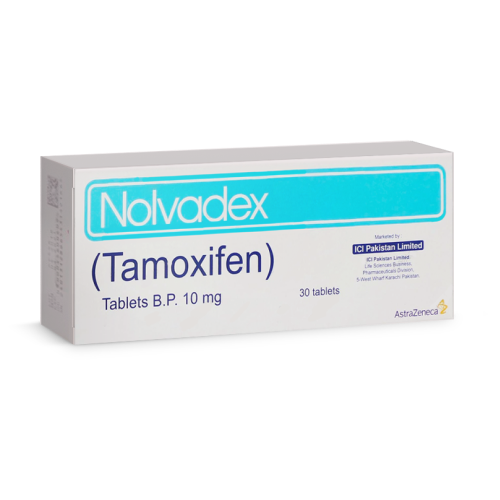
- Buy Nolvadex Online in the United States Safely and Easily
Who Asks Their Doctor About Nolvadex—and Why Does It Matter?
The waiting room is quiet, but tension often crackles beneath the surface. A woman in her early forties, just weeks from finishing chemotherapy, folds and unfolds the page from her oncologist: “Consider Nolvadex.” Two seats away, another patient pulls up a news article on her phone, reading about a friend who switched from tamoxifen to something called an aromatase inhibitor. At the pharmacy counter, a survivor in her sixties asks, “Is the generic really the same?” These aren’t just questions about a pill; they’re decisions about identity, risk, and the future.
In the United States, Nolvadex (tamoxifen) is more than a medication—it’s a crossroad in Breast Cancer care. Some patients arrive here after a new diagnosis of hormone receptor-positive breast cancer. Others are survivors, weighing how to prevent a recurrence years after their original treatment. A few are young women with a strong family history, hoping to lower their future risk. What ties them together is the search for a treatment that works, fits their lives, and doesn’t quietly undermine their quality of life.
- First-timers: Women (and sometimes men) recently diagnosed, facing a sea of options, are told by their care team that Nolvadex is the standard—especially if premenopausal.
- Long-term survivors: Those weighing the pros and cons of staying on Nolvadex for years, asking if the effort is still worth it.
- High-risk patients: People with strong family histories or genetic risk, considering Nolvadex for prevention—not just treatment.
“One thing I tell every patient: the decision to take Nolvadex isn’t just about statistics. It’s about how those numbers fit your story, your tolerances, your priorities.”
Why does this matter? Because the experience of Nolvadex is shaped as much by the questions you bring to the appointment as by the molecular pathways it targets. What follows isn’t just about how Nolvadex works, but why it matters—to you.
How Nolvadex Actually Works in Your Body During Breast Cancer
Tamoxifen—the active ingredient in Nolvadex—has a single, defining move: it blocks estrogen from fueling certain breast cancer cells. But that’s only half the story. In reality, tamoxifen acts like a bouncer at a club, deciding which cells get to “feel” estrogen’s effects and which don’t. In breast tissue, it’s a blocker. In other tissues, like bone and uterus, it can sometimes act more like a weak mimic of estrogen—leading to different effects, both good and bad.
This dual role is why Nolvadex is so effective, especially in premenopausal women whose ovaries are still making plenty of estrogen. Unlike aromatase inhibitors (which only work if estrogen production is very low), Nolvadex can “stand in the way” even when estrogen is high. That’s why, for many, it’s the first-line choice.
What does this mean for you? If your tumor is “estrogen receptor positive” (ER+), Nolvadex changes the landscape: it lowers the chance that any stray cancer cells will get the signal to grow. Over years, this translates into fewer recurrences and—in some groups—better survival. But it also means that the side effects and benefits are not the same for everyone.
- Nolvadex blocks estrogen in breast tissue and is especially effective for premenopausal women.
- Because of its selective action, side effects depend on where in the body tamoxifen is acting.
- Your personal benefit depends on your cancer type, hormone status, and goals—prevention, recurrence, or risk reduction.
Nolvadex vs. Other Breast Cancer Medications: The Real-World Comparison
| Medication | Type | Who It’s For | Main Action | Key Side Effects | Prescription Status | Typical Monthly Cost (U.S.) |
|---|---|---|---|---|---|---|
| Nolvadex (tamoxifen) | SERM | Premenopausal women, some men, and those needing risk reduction | Blocks estrogen receptors in breast tissue | Hot flashes, blood clots, uterine changes | Prescription only | $10–$100 (generic); $300–$500 (brand name) |
| Arimidex (anastrozole) | Aromatase inhibitor | Postmenopausal women | Stops body from making estrogen | Joint pain, bone thinning, hot flashes | Prescription only | $10–$150 (generic); $350–$500 (brand name) |
| Faslodex (fulvestrant) | Estrogen receptor downregulator | Advanced or metastatic cases (usually after other options) | Degrades estrogen receptors | Injection-site pain, fatigue, nausea | Prescription only | $1,500–$2,500 |
In practice, Nolvadex stands apart for its flexibility and long history: it’s used across ages and, crucially, in people whose bodies are still making a lot of estrogen. Aromatase inhibitors like Arimidex mostly serve postmenopausal women, where blocking estrogen production works best. Faslodex, meanwhile, is reserved for more advanced disease, often after Nolvadex or an aromatase inhibitor has stopped working.
For most patients starting hormonal therapy after early breast cancer, the choice is shaped by age, menopausal status, and side effect tolerance. In the United States, insurance almost always covers at least the generic versions, making out-of-pocket costs manageable—though surprises can happen, especially with brand names or high-deductible plans.
The real-world takeaway: Nolvadex is often the first hormone therapy tried in premenopausal women or those at heightened risk. If you become menopausal during treatment, or side effects become hard to manage, your team may discuss switching to an aromatase inhibitor.
What Taking Nolvadex Really Looks Like, Day to Day
“Will I feel different as soon as I start taking it?” Most patients don’t notice much in the first few days. There’s no sudden change—no high, no crash. Instead, the experience is shaped by the slow steady work tamoxifen does behind the scenes.
The routine is simple: one pill, same time every day, with or without food. What’s not so simple is how it fits into the rhythms of your life. Some keep the bottle by the toothbrush to make it automatic. Others set a phone alarm. A few admit to missing doses, then feeling guilty and anxious afterward.
- Most people don’t feel different at first—but two or three weeks in, some begin noticing hot flashes or mood shifts.
- Periods may change—especially for younger women. Some stop altogether, others become irregular.
- Sexual side effects are rarely discussed, but changes in libido or vaginal dryness are common and manageable—if you bring them up with your doctor.
- Sticking with Nolvadex is a marathon, not a sprint. Most courses last five years; some go longer, especially if you’re still premenopausal at year five.
Life on Nolvadex is rarely dramatic, but it is defined by the slow accumulation of small changes—some welcome, some irritating, all worth bringing up with your team. Adherence (actually taking the pills every day) is one of the biggest predictors of success, and also one of the biggest challenges.
Which Side Effects Matter Most with Nolvadex—and When to Act
Hot flashes, night sweats, and mood swings: these are the side effects patients expect. But while uncomfortable, they’re rarely dangerous. The real concern is knowing which effects require immediate action—and which are part of the process.
Blood clots are the most serious risk with tamoxifen. Though rare, they are a reason to call your doctor if you notice sudden swelling, pain in your legs, or shortness of breath. Changes in the uterus (like thickening or, rarely, cancer) are much less common, but any abnormal vaginal bleeding should be reported right away.
| Side Effect | How Common? | When to Contact Your Doctor |
|---|---|---|
| Hot flashes | Very common (50–80%) | If severe or interfere with sleep/life |
| Blood clots (DVT/PE) | Rare (<2%) | Immediately if swelling, pain, or shortness of breath |
| Uterine changes | Uncommon (1–2%) | Immediately if abnormal vaginal bleeding |
| Mood changes | Common (10–25%) | If persistent or severe |
| Visual changes | Rare (<1%) | If persistent vision problems or eye pain |
| Bone pain | Uncommon | If new, persistent, or severe |
Most side effects are manageable and fade with time, but the rare ones—blood clots and uterine changes—are why regular follow-up and honest symptom reporting matter so much.
What Stops Patients from Continuing Nolvadex—and How Clinicians Respond
Stopping Nolvadex early is common; up to one in three people don’t finish the full five years. The reasons are rarely dramatic—usually a slow build-up of small side effects, life changes, or just “treatment fatigue.” Occasionally, it’s a big event: a blood clot or a concerning change on a routine test.
What do clinicians do when side effects pile up? The answer isn’t always “push through.” Sometimes, switching to a different hormone therapy (like an aromatase inhibitor), adjusting the dose, or taking a short break is the right call. For some, counseling or a referral to symptom management services can make the difference between sticking with therapy or stopping early.
- Persistent hot flashes: non-hormonal medications, lifestyle tweaks, or cooling devices can help.
- Mood symptoms: don’t suffer in silence. There are safe antidepressant options that don’t interfere with tamoxifen.
- Sexual side effects: lubricants, moisturizers, and (in some cases) vaginal estrogen under medical supervision may be considered.
- Cost or insurance barriers: social workers or financial counselors can often find assistance programs—don’t assume there’s no help.
The bottom line: your care team would rather hear about your struggles than be surprised if you stop. The earlier you raise concerns, the more options you have.
Accessing Nolvadex in the United States: How Prescriptions Work & What to Expect in the Pharmacy
In the U.S., Nolvadex is a prescription-only medication. Your oncologist or primary care doctor will write the prescription, typically for a 30-day supply, sometimes 90. Most insurance plans—including Medicare and Medicaid—cover generic tamoxifen, which is chemically identical to the brand-name Nolvadex.
- Get a Prescription: Only a licensed prescriber (MD, DO, sometimes a nurse practitioner or PA) can issue one.
- Choose Your Pharmacy: Any licensed U.S. retail pharmacy can fill it; mail-order is available for longer supplies.
- Check Your Coverage: Generic is usually covered with a small copay; brand-name may require prior authorization or higher out-of-pocket costs.
- Pick Up and Review: Review the label, ask to speak to the pharmacist if you have questions (especially about interactions or missed doses).
Unlike some countries, you cannot buy Nolvadex over the counter or legally import it without a prescription. “Online pharmacies” advertising prescription-free access are outside legal practice and may be unsafe.
Prices for generic tamoxifen are relatively low—often $10–$30 a month with insurance, or sometimes even less with a pharmacy discount card. Brand-name Nolvadex can cost several hundred dollars per month if not covered by your plan.
When Not to Take Nolvadex: Warning Block
- Have a history of blood clots (deep vein thrombosis or pulmonary embolism) unrelated to trauma: Tamoxifen increases the risk and is usually avoided.
- Are pregnant or trying to become pregnant: Tamoxifen can cause birth defects and must never be used during pregnancy or conception attempts. Reliable contraception is required.
- Have a known allergy to tamoxifen or any component of Nolvadex: Allergic reactions are rare, but absolute.
- Are taking certain blood thinners (like warfarin) for prolonged periods: The combination increases bleeding risk and requires close monitoring or alternative planning.
- Have a history of uterine cancer or abnormal uterine bleeding: Tamoxifen can affect the uterus; your gynecologist and oncologist must coordinate care.
- Have liver disease: Metabolism of tamoxifen can be affected, requiring dose adjustments or more frequent monitoring.
- Need certain antidepressants: Some drugs (notably paroxetine and fluoxetine) can interfere with how tamoxifen works. Safer options are available.
These are not just technicalities—ignoring them can lead to serious, preventable harm. When in doubt, ask.
FAQ: Answers from the Front Lines of Breast Cancer Treatment in the United States
- Will Nolvadex make me feel sick or tired every day?
- Most people do not feel ill on tamoxifen, but mild fatigue and hot flashes are common, especially in the first few weeks. Severe tiredness or persistent nausea are uncommon—if you experience them, talk to your care team.
- How do I know if the generic tamoxifen is as good as brand-name Nolvadex?
- In the U.S., the FDA requires generic tamoxifen to be bioequivalent to Nolvadex. The active ingredient, effectiveness, and safety profile are the same. Differences may occur in inactive ingredients, but for nearly all patients, generics work equally well.
- If I miss a dose, should I double up the next day?
- No. Take the missed dose as soon as you remember, unless it’s almost time for the next dose—in that case, skip the missed one. Doubling up does not improve effectiveness and can increase side effects.
- Can Nolvadex cause weight gain?
- Weight changes are possible, but large studies do not show consistent evidence that tamoxifen directly causes significant weight gain. Lifestyle factors, other medications, and menopausal changes often play a larger role. Discuss any concerns with your doctor, as weight management is important for overall health during treatment.
- How long will I have to take Nolvadex?
- Standard treatment is five years, though some patients—especially premenopausal women—may be advised to continue for up to ten years. The exact duration is based on your specific cancer stage, risk, and response.
- Is it safe to get pregnant after Nolvadex?
- Tamoxifen must not be used during pregnancy. Most doctors recommend waiting two to three months after stopping Nolvadex before trying to conceive, to allow the drug to clear fully. Discuss family planning with your care team before making changes.
- What should I do if my insurance doesn’t cover Nolvadex?
- Most insurance plans cover generic tamoxifen, but if yours does not, speak to your doctor or pharmacist. Patient assistance programs and state resources may help, and your team can sometimes appeal coverage denials.
- Are there foods or supplements I should avoid while taking Nolvadex?
- Grapefruit and certain herbal supplements (like St. John’s wort) may interact with tamoxifen’s metabolism. Always inform your care team about any new supplements or over-the-counter products before starting them.
Sources and References
- U.S. Food and Drug Administration (FDA): Tamoxifen Information
- National Cancer Institute: Breast Cancer Hormone Therapy
- Mayo Clinic: Tamoxifen (Oral Route) Description and Brand Names
- American Society of Clinical Oncology: Hormone Therapy for Breast Cancer, 2023
- American Cancer Society: Hormone Therapy for Breast Cancer
- FDA Approved Drug Products: Nolvadex (tamoxifen citrate) Prescribing Information
- BreastCancer.org: Tamoxifen
- ClinicalTrials.gov
