
- Home/
- Buy Seroquel Online in the United States Safely and Conveniently
Can Seroquel Be Obtained Without a Prescription in the United States?
Seroquel (quetiapine) is a prescription-only medication in the United States. It cannot be legally obtained without a valid prescription from a licensed healthcare provider. Over-the-counter or online purchases without a prescription are unsafe and illegal.
Key Takeaways: Practical Insights for Seroquel Use in the United States
- Seroquel is primarily prescribed for schizophrenia, bipolar disorder, and as adjunctive treatment for major depressive disorder.
- A legal prescription from a U.S. healthcare provider is required. Telehealth consultation is possible in most states.
- Patients should expect gradual improvement over days to weeks—not immediate relief.
- Monitoring for side effects and regular follow-up with your doctor are essential for safe use.
- Not suitable for everyone: Certain heart, liver, or metabolic conditions may increase risks; always share your full medical history with your provider.
- Consult your doctor if you experience serious side effects, or have questions about adjusting, skipping, or stopping your medication.
How Does Seroquel Work? Pharmacology and Mechanism of Action Explained
Quetiapine, the active ingredient in Seroquel, is classified as a second-generation (atypical) antipsychotic. Its therapeutic effects stem from antagonism of multiple neurotransmitter receptors in the brain—primarily dopamine D2 and serotonin 5-HT2A receptors. Seroquel also has moderate to high affinity for histamine H1, adrenergic α1, and α2 receptors, and lower affinity for muscarinic receptors.1
- Dopamine D2 receptor antagonism: This reduces the overactive dopamine signaling seen in schizophrenia and some forms of mania, decreasing hallucinations and disorganized thinking.
- Serotonin 5-HT2A receptor antagonism: Modulates mood, anxiety, and negative symptoms in schizophrenia and mood disorders.
- Histamine H1 receptor blockade: Explains the sedative and weight gain side effects.
- Adrenergic blockade: Can lower blood pressure and cause dizziness or orthostatic hypotension.
Metaphor: Imagine your brain as a city with traffic lights (receptors) controlling chemical messengers (neurotransmitters). In mental illness, some lights are stuck green, leading to traffic jams or accidents. Seroquel acts as a traffic controller, turning some lights red to restore orderly flow.
Does Seroquel require a trigger to work? No specific external triggers are required; Seroquel acts independently after ingestion and absorption.
Expert Insight: Misconceptions and Realities of Seroquel Treatment in Practice
“Many patients come in expecting Seroquel to ‘fix’ sleep or mood overnight. It’s important to clarify that while sedation may occur quickly, improvements in mood, anxiety, or psychosis can take several days to weeks. Patients often focus on the immediate drowsiness, but true therapeutic benefits build up gradually with regular dosing. I find that few patients ask about the long-term metabolic effects or what to do if symptoms don’t improve, even though these are critical topics. It’s also common for patients to misattribute normal fluctuations in mood or sleep to medication response, when in reality, factors like stress, substance use, or other medications may play a bigger role. Having ongoing, open conversations about expectations leads to better outcomes and fewer disappointments.”
How Should Seroquel Be Taken? Dosing, Peak Effect, and Duration
Seroquel is available in immediate-release and extended-release (XR) formulations. The dosing regimen depends on the indication, patient age, comorbidities, and formulation prescribed.2
- Schizophrenia (adults): Initial 50 mg twice daily, titrated up to 300–400 mg/day in divided doses. Maximum recommended dose: 800 mg/day.
- Bipolar Mania: Often started at 100 mg at bedtime, increased to 400–600 mg/day.
- Bipolar Depression: Typically 50 mg at bedtime; may be increased to 300 mg at bedtime.
- Major Depressive Disorder (adjunct): 50–300 mg/day, individualized.
Peak plasma concentration: Immediate-release: 1.5 hours after dosing. XR: 5 hours.
Duration of effect: Sedation may occur within hours; antipsychotic/mood-stabilizing effects usually become noticeable after 1–2 weeks of consistent use.
- Tablets must be swallowed whole—do not split or crush extended-release tablets.
- Maximum dose: Do not exceed 800 mg/day for adults unless directed by a psychiatrist.
- Elderly patients or those with liver or kidney impairment: Lower starting doses and slower titration are required due to increased risk of side effects and altered drug clearance.
Parameter Table: Seroquel (Quetiapine) Technical Reference
| Parameter | Value |
|---|---|
| Active Ingredient | Quetiapine fumarate |
| Formulations | Immediate-release tablets, Extended-release tablets |
| Dose Strengths | 25 mg, 50 mg, 100 mg, 200 mg, 300 mg, 400 mg |
| Half-life (T1/2) | ~6–7 hours (immediate-release); XR: up to 12 hours |
| Metabolism | Primarily hepatic (CYP3A4 enzyme) |
| Excretion | Urine (73%), Feces (20%) |
| Storage | Room temperature, keep dry |
How Does Food, Alcohol, and Lifestyle Affect Seroquel?
- Food: Seroquel XR should be taken without food or with a light meal (less than 300 calories) for predictable absorption. High-fat meals can increase absorption, leading to higher blood levels and potentially more side effects.3
- Alcohol: Strictly avoid alcohol while taking Seroquel. Alcohol increases sedation, cognitive impairment, and risk of respiratory depression. Even small amounts (a single drink) can amplify these effects.
- Grapefruit juice: Do not consume grapefruit or grapefruit juice. It inhibits CYP3A4, the main enzyme that metabolizes Seroquel, potentially raising blood levels and increasing side effects.
- Other lifestyle factors: Avoid operating heavy machinery or driving until you know how Seroquel affects you—drowsiness and slowed reaction time are common, especially early in treatment.
Compatibility Check: Seroquel With Common Products
| Type of Product | Can It Be Combined? | Consequences |
|---|---|---|
| Alcohol | NO | Severe sedation, impaired judgment |
| Grapefruit Juice | NO | Increases Seroquel blood levels, risk of toxicity |
| Caffeine | Yes | May offset sedation slightly, but not a significant interaction |
| Nicotine | Yes, with caution | Can lower Seroquel blood levels, possibly reducing effectiveness |
| Other Antipsychotics | Only under doctor supervision | Increased risk of side effects, especially sedation and heart rhythm issues |
Who Should Not Take Seroquel? Absolute and Relative Contraindications
- Absolute contraindications:
- Known allergy to quetiapine or any excipients in the formulation
- Concurrent use of potent CYP3A4 inhibitors (e.g., ketoconazole, clarithromycin, ritonavir)
- History of neuroleptic malignant syndrome with any antipsychotic
- Severe uncontrolled cardiovascular disease (e.g., unstable angina, recent myocardial infarction within 6 weeks)
- Relative contraindications (use with caution):
- History of arrhythmias or QT prolongation—Seroquel can worsen heart rhythm disturbances
- Liver impairment—requires dose adjustment and closer monitoring
- History of seizures—Seroquel may lower seizure threshold
- Diabetes or glucose intolerance—Seroquel can increase blood sugar
- History of low white blood cell count—risk of agranulocytosis
Why these cautions? Seroquel can prolong the QT interval, increase blood glucose, and lower blood pressure, which may worsen certain pre-existing conditions. Always inform your doctor of your complete medical history.
What Side Effects Are Most Common With Seroquel? Detailed Risk Profile
Adverse effects of Seroquel are dose-dependent and vary by patient factors. Side effects are classified by frequency:
- Very common (>1/10):
- Somnolence (drowsiness, sedation)
- Dry mouth
- Dizziness
- Weight gain
- Common (1/100–1/10):
- Constipation
- Orthostatic hypotension (drop in blood pressure when standing)
- Increased appetite
- Elevated cholesterol or triglycerides
- Mild increase in blood sugar
- Restlessness
- Rare (1/10,000–1/1,000):
- Seizures
- Priapism (painful, prolonged erection in males)
- Syndrome of inappropriate antidiuretic hormone secretion (SIADH)
- Agranulocytosis (dangerous drop in white blood cells)
- Very rare (<1/10,000):
- Neuroleptic malignant syndrome (NMS): fever, muscle rigidity, confusion—medical emergency
- Severe allergic reactions (swelling, difficulty breathing)
- Severe liver injury
Mechanisms behind common effects: Sedation is due to strong histamine H1 receptor blockade; weight gain and metabolic issues arise from effects on both histamine and serotonin receptors; orthostatic hypotension is caused by α1-adrenergic antagonism.4
If you develop serious side effects (such as chest pain, irregular heartbeat, severe drowsiness, stiffness, fever, confusion, or swelling of the face/tongue): Seek emergency medical attention immediately.
Myth vs Reality: Seroquel and Side Effects
Myth: “If I feel sleepy, that’s the main sign it’s working.”
Reality: Drowsiness is a side effect, not a sign of therapeutic benefit. Mood, thinking, and psychotic symptoms may take weeks to improve, even if sedation is immediate.
Common Mistakes When Using Seroquel and How to Avoid Them
- Stopping Suddenly Without Doctor Guidance: Abrupt discontinuation can cause withdrawal symptoms such as insomnia, nausea, and return or worsening of psychiatric symptoms. Always taper under physician supervision.
- Taking With High-Fat Meals (for XR formulations): This can lead to unexpectedly high blood levels, increasing side effect risk. Take XR tablets on an empty stomach or with a light meal.
- Splitting or Crushing XR Tablets: Extended-release formulations must not be broken or chewed; doing so can lead to dangerous blood level spikes. Swallow tablets whole.
- Ignoring Routine Blood Work: Seroquel may affect metabolism and blood counts. Follow your doctor’s schedule for lab monitoring.
- Driving or Using Machinery Too Soon: Many underestimate sedation risk, especially at initiation or dose increases. Wait until you know how Seroquel affects you.
- Skipping Doses or Inconsistent Timing: Irregular dosing reduces effectiveness and increases side effect risk. Take your medication as prescribed, at the same time each day.
Comparison: Seroquel vs Alternatives (Risperdal, Abilify, Zyprexa)
| Medication | Onset of Action | Duration of Effect | Common Side Effects | Cost per Tablet (USD, 2026 est.) |
|---|---|---|---|---|
| Seroquel (Quetiapine) | 1–2 weeks (full effect) | 12–24 hrs (once daily XR) | Sedation, weight gain, metabolic changes | $0.50–$3 (generic); $8–$14 (brand-name) |
| Risperdal (Risperidone) | Few days to 2 weeks | ~24 hrs | Movement disorders, weight gain, increased prolactin | $0.20–$2 (generic); $7–$12 (brand) |
| Abilify (Aripiprazole) | 1–2 weeks | 1–3 days | Akathisia, insomnia, less weight gain | $1–$5 (generic); $11–$16 (brand) |
| Zyprexa (Olanzapine) | 1–2 weeks | ~24 hrs | Severe weight gain, sedation, high risk of diabetes | $0.60–$3 (generic); $10–$18 (brand) |
Bottom line: Seroquel is often chosen for lower risk of movement disorders, but may cause more sedation and weight gain than Abilify or Risperdal. Price differences can be significant between generics and brand-name versions.
Questions Patients Commonly Ask doctor About Seroquel
- How long will it take before I notice improvement in my symptoms?
- Most patients begin to notice some changes in sleep and anxiety within the first few days. However, improvements in mood, thinking, or psychotic symptoms typically take 1–2 weeks, sometimes longer. Consistent use is key.
- Is it safe to take Seroquel long-term?
- Seroquel can be used safely for months or years when properly monitored with regular check-ups and lab work. Long-term use requires vigilance for metabolic, cardiac, and movement-related side effects; your doctor will assess risks and benefits at each visit.
- What should I do if I miss a dose?
- If you miss a dose, take it as soon as you remember. If it is almost time for your next dose, skip the missed dose—do not double up. Let your doctor know if you miss doses frequently.
- Could Seroquel make me feel worse at first?
- Some patients experience increased drowsiness, dizziness, or restlessness in the initial days. Rarely, symptoms may temporarily worsen before improving. Contact your provider if you feel severely unwell, confused, or experience new or worsening suicidal thoughts.
- Will I gain weight or develop diabetes from Seroquel?
- Weight gain and changes in blood sugar can occur, especially at higher doses or with long-term use. Regular monitoring and healthy lifestyle choices can help reduce risk. If you have a history of diabetes or metabolic syndrome, let your doctor know before starting.
- Can I drink alcohol or use marijuana while on Seroquel?
- Alcohol and recreational drugs should be avoided; they can worsen side effects and make psychiatric symptoms harder to control. Mixing substances increases the risk of dangerous sedation and unpredictable behavior.
- How do you monitor whether Seroquel is working?
- We track changes in target symptoms, side effects, sleep, and overall functioning. Regular follow-up appointments and occasional lab tests are important to assess both benefit and safety.
- Is it possible to stop Seroquel if I feel better?
- Never stop on your own. We can discuss gradual dose reduction if appropriate. Stopping suddenly can cause rebound symptoms or withdrawal-related discomfort.
Pharmacokinetics: How Is Seroquel Processed and Eliminated in the Body?
Seroquel (quetiapine) is rapidly absorbed from the gastrointestinal tract. It is extensively metabolized in the liver via the cytochrome P450 3A4 (CYP3A4) enzyme. The medication has a half-life of about 6–7 hours for immediate-release, and up to 12 hours for XR formulations.
- Excretion: Approximately 73% excreted in urine (as metabolites), 20% in feces.
- Implications: Patients with severe liver dysfunction may need dose adjustments; those with kidney impairment generally do not require major changes.
Special Populations: Who Needs Extra Caution With Seroquel?
- Elderly: Increased sensitivity to sedation, falls, and heart rhythm changes. Start at lower doses.
- Children/Adolescents: Not FDA-approved for children under 10 (for bipolar disorder) or under 13 (for schizophrenia); careful assessment required.
- Pregnancy: Use only if benefit justifies risk. Seroquel crosses the placenta; discuss with your doctor.
- Breastfeeding: Seroquel is excreted in breast milk; consult your provider about risks to infants.
- Chronic medical conditions: Diabetes, cardiovascular disease, and liver impairment require closer monitoring and often lower doses.
- Driving/Operating Machinery: Seroquel can impair coordination and alertness—avoid until you know your reaction.
- Fertility: No evidence that Seroquel impairs human fertility, but it may cause menstrual irregularities via elevation of prolactin (rarely).
Original Seroquel vs Generics: What’s the Difference? Are Generics Safe?
Original Seroquel (by AstraZeneca) and FDA-approved generics (quetiapine fumarate) contain the same active ingredient. Generics are required to demonstrate bioequivalence—meaning they deliver the same amount of medication to the body over time.
- Excipients (inactive ingredients): May differ between brands and generics. Rarely, some patients may have sensitivities to dyes or fillers.
- Cost: Generics are usually far less expensive; for example, a 100 mg generic tablet may cost $0.50–$1, while brand-name Seroquel can be $8–$14 per tablet.
- Effectiveness and safety: Generics are considered equally effective and safe. If you notice a difference, discuss with your pharmacist or doctor.
How Can I Spot a Counterfeit or Non-Equivalent Product?
Original Seroquel and approved generics in the U.S. must:
- Be dispensed in tamper-evident pharmacy bottles or blister packs
- Display clear labeling: drug name, dosage, manufacturer, NDC number, and lot number
- Have consistent color, size, shape, and imprint codes as verified by the manufacturer’s description
- Include a patient information leaflet
Suspicious signs: Misspelled names, altered packaging, no NDC or lot number, tablets with inconsistent color/shape, or prices that seem “too good to be true.” Some pharmacies include QR codes linking to manufacturer verification (varies by state and pharmacy chain).
What are generics? Generics contain the same active ingredient as the original product but may differ in shape, color, or non-active components. They’re FDA-inspected for quality, purity, and consistency.
Quality Check: What Should Original Seroquel Look Like?
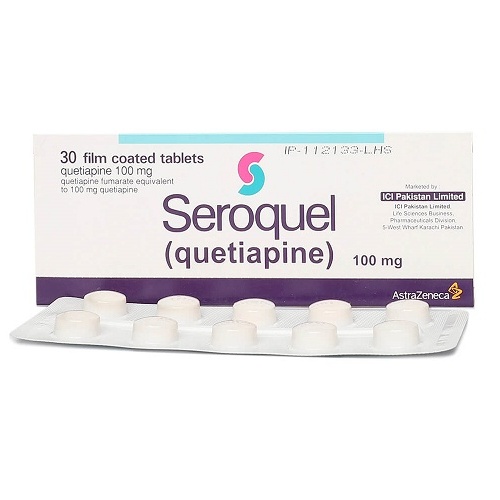
- Immediate-release tablets: Round, biconvex, white to off-white; imprinted with code (e.g., “SEROQUEL 100”)
- XR tablets: Capsule-shaped, slightly colored (yellow, pink, or white depending on strength), clearly imprinted
- Packaging: Sealed pharmacy bottle or manufacturer blister pack with U.S. labeling; presence of a lot number and expiration date
- Holograms/QR codes: Some manufacturers use tamper-evident seals or QR codes for verification, especially for larger chains and specialty pharmacies
If in doubt, compare your tablets and packaging to images on the manufacturer’s official website or ask your pharmacist.
How to Safely Obtain Seroquel in the United States: Step-by-Step Guide
- Step 1: Seek a Qualified Healthcare Provider. Make an appointment with a licensed psychiatrist, primary care provider, or use a recognized telehealth service in your state. If you’re experiencing acute psychiatric symptoms, urgent care or emergency evaluation may be indicated.
- Step 2: Undergo a Comprehensive Assessment. The provider will review your symptoms, medical and psychiatric history, current medications, and any risk factors. Physical and laboratory assessments may be ordered.
- Step 3: Receive a Prescription If Appropriate. If Seroquel is deemed suitable, your doctor will issue a prescription—either paper, electronic, or direct-to-pharmacy (e-prescribe).
- Step 4: Fill the Prescription at a Licensed U.S. Pharmacy. Bring the prescription to a community pharmacy, hospital pharmacy, or a pharmacy mail-order service. Many insurance plans include coverage for Seroquel or its generics; check your plan’s formulary for details.
- Step 5: Follow Up Regularly. Ongoing monitoring—including office visits, telehealth check-ins, or lab work—is crucial for safe and effective use.
How to Identify Legitimate Online Pharmacies and Avoid Unsafe Sellers in the United States
- Use Verified Internet Pharmacy Practice Sites (VIPPS®): The National Association of Boards of Pharmacy (nabp.pharmacy) accredits online pharmacies that meet strict standards.
- Look for .pharmacy Domains: Legitimate online pharmacies often use “.pharmacy” domains approved by NABP.
-
Red Flags for Unsafe Sellers:
- Offering prescription drugs without requiring a prescription
- Selling products at deeply discounted prices
- No U.S. street address or phone number listed
- Unverifiable products or missing FDA labeling
- No pharmacist available to answer questions
- Risks of Unregulated Sites: Counterfeit, expired, or subpotent products; possible exposure to unapproved manufacturing standards; no recourse for harm.
Always use pharmacies recognized by U.S. authorities and your insurance plan.
What Should I Do If I Suspect an Overdose With Seroquel?
- Stop taking Seroquel immediately.
- Call 911 or your local emergency services without delay.
- Provide the emergency team with the exact amount and time of Seroquel taken.
- Do not try to induce vomiting unless instructed by a poison control center or medical professional.
- Stay with the person (if helping someone else) and monitor breathing and consciousness until help arrives.
Common overdose symptoms: Extreme drowsiness, rapid heart rate, low blood pressure, seizures, loss of consciousness, or breathing difficulties. Overdose can be life-threatening—prompt emergency care is essential.
Psychological Support: You’re Not Alone
Mental health conditions are common and treatable. If you’re struggling, know that many people face similar challenges and that recovery is possible. Consider involving your support network or seeking counseling in addition to medication. Open communication with your healthcare team—including your doctor, therapist, or pharmacist—can make a significant difference in your journey.
doctor’s Clinical Assessment: Who Is Most Likely to Benefit From Seroquel Therapy?
“In my clinical experience, Seroquel is particularly effective for adults with schizophrenia or bipolar disorder who experience both mood instability and significant agitation or sleep disruption. Its sedative properties are an advantage when symptom control and sleep restoration are immediate goals. Patients with a history of poor tolerance to typical antipsychotics (due to movement side effects) often do better with quetiapine. However, for those with pre-existing obesity, diabetes, or high cholesterol, the risk of metabolic complications may outweigh the benefits, especially if alternatives like aripiprazole or lurasidone are suitable. Caution is also warranted in elderly patients at risk of falls, and in those with cardiac conduction abnormalities. Regular reassessment is essential; if substantial side effects emerge or desired outcomes are not achieved after an adequate trial, I consider adjusting the dose, switching to a different atypical antipsychotic, or integrating more robust non-pharmacologic interventions. Ultimately, medication choice is individualized, balancing symptom relief, side effect profile, and patient preference.”
Frequently Asked Questions (FAQ) About Seroquel in the United States
- Is Seroquel effective for anxiety or sleep problems alone?
- Seroquel is not approved as a first-line treatment for primary anxiety or insomnia; it’s typically used for these symptoms only when associated with a diagnosed psychiatric disorder and after other interventions have failed. Off-label use for sleep is discouraged due to risks.
- Do I need a prescription for Seroquel in the U.S.?
- Yes. Seroquel is a prescription-only medication. You must have a consultation with a healthcare provider who can assess your need and issue a prescription.
- What is the price of Seroquel in the United States?
- Generic quetiapine typically costs $0.50–$3 per tablet, depending on dose and insurance coverage. Brand-name Seroquel costs $8–$14 per tablet. Prices vary by pharmacy, insurance, and location.
- How long should I take Seroquel?
- Duration depends on your diagnosis and response to therapy. For some conditions, several months or longer-term treatment is needed. Treatment is reviewed regularly with your doctor.
- How is Seroquel covered by insurance in the U.S.?
- Most insurance plans, including Medicaid and Medicare, cover generic quetiapine. Prior authorization may be needed for brand-name Seroquel or for certain indications.
- Can I buy Seroquel online in the U.S.?
- Yes, but only through licensed online pharmacies requiring a valid prescription. Avoid websites that offer it without a prescription; these are often illegal and unsafe.
- Is Seroquel habit-forming or addictive?
- Seroquel is not classified as a controlled substance and is not considered addictive in the classical sense. However, abrupt discontinuation can cause withdrawal symptoms, so always follow your doctor’s instructions.
- Can Seroquel interact with antidepressants or other medications?
- Yes, Seroquel can interact with certain antidepressants, anticonvulsants, and heart medications. Always provide a full list of your medications to your healthcare provider to check for interactions.
- What should I do if I experience side effects from Seroquel?
- Contact your doctor for any bothersome or persistent side effects. For severe reactions (chest pain, fainting, seizures, severe allergic response), seek emergency medical care.
- Are there alternatives to Seroquel?
- Yes. Other atypical antipsychotics such as risperidone, aripiprazole, and olanzapine may be considered based on your specific symptoms, side effect profile, and health history.
References
- FDA Label for Seroquel (Quetiapine)
- Vieta E, et al. “Efficacy and safety of quetiapine in bipolar disorder and schizophrenia: 2024 systematic review.” PubMed
- Mayo Clinic: Quetiapine (Oral Route) – Drug Information
- National Institute of Mental Health: Schizophrenia
- NIMH: Bipolar Disorder
- National Association of Boards of Pharmacy: VIPPS Accredited Pharmacies
- FDA Drug Safety Communications
- Recent systematic review: Metabolic side effects of atypical antipsychotics including quetiapine
